

Orchid Care in a Bangkok Condo: Keeping a Gifted Phalaenopsis Alive
Orchid care for a sealed, air-conditioned Bangkok condo: where to put a gifted phalaenopsis, how often to water, why buds drop and what to do after.
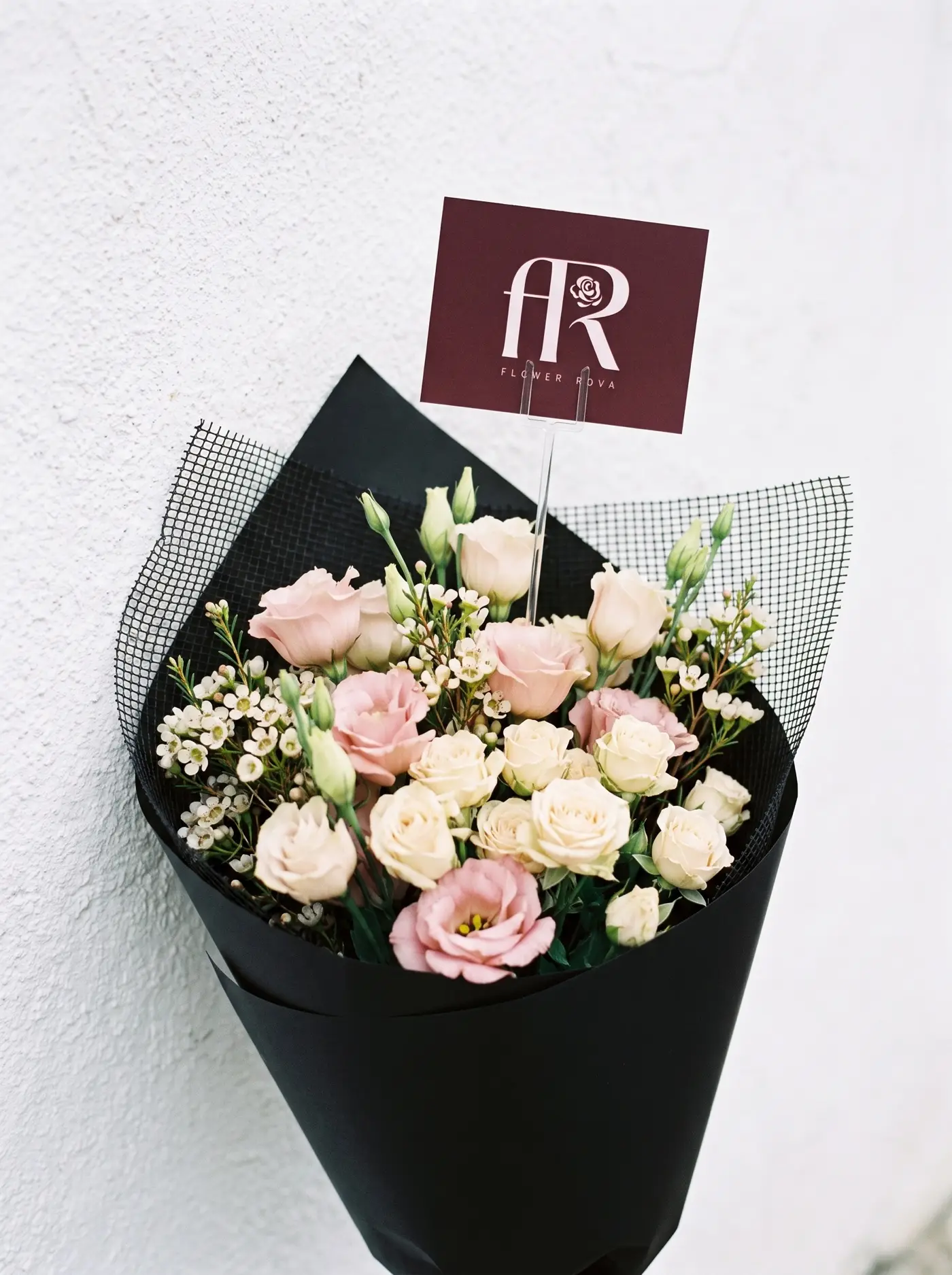
Most orchid care advice is written for a windowsill in a house with a garden. A Bangkok condo is a sealed box at 24 degrees, with a glass wall facing west and a balcony door you open twice a week. This guide to orchid care is written for that box: where a gifted phalaenopsis can live, how often to water it, what the air conditioning does to it, and what to do when the last flower falls.
It also answers the sender's question: whether an orchid suits someone with one window and a cold room, or whether cut orchids or roses are safer. One honest limit first: the research we cite comes from botanical gardens, extension services and orchid societies, not Bangkok flats, so fitting their ranges to a condo is our judgement.
Orchid care starts the day it arrives: unwrapping, placing, not repotting
A potted phalaenopsis (the moth orchid) is the orchid most people are given. The RHS growing guide sets out its needs in a few lines: bright light but no direct summer sun, a temperature kept above 16°C, and flowers that can appear at any time of year and last for weeks. A Bangkok flat meets the temperature rule without trying. The danger here is draughts, glare and handling.
The first hour
Take off the plastic sleeve and ribbon gently, and lift the pot from underneath, never by the spike. Most gifted plants sit in a clear plastic pot inside a decorative cachepot. Lift the inner pot out and tip away any water standing in the outer one; it keeps the roots wet, and that is the first thing to fix.
Do not repot it
A plant in flower is spending its energy on the flowers; disturbed roots add stress. Colorado State's PlantTalk page on phalaenopsis says not to move or prune the plant once buds appear. Repotting, if it is ever needed, is a job for after flowering.
Worked example: the white phalaenopsis from a Sathorn office
Say a colleague gives you a white phalaenopsis on your last day at a Sathorn office, and you carry it home on the BTS at rush hour: cold office, hot staircase at Chong Nonsi, cold train, hot walk from the station. The Missouri Botanical Garden says moth orchids drop buds from rapid temperature changes and draughts, and that is three changes in forty minutes.
So keep the sleeve on, hold the pot upright on your lap, and never leave it in a taxi boot. A bud or two may still drop in the first week; that is not a verdict on your care. A white phalaenopsis with a pop-up card is the kind of plant this story describes; if you are the sender, door delivery spares it the train.
Light in a condo: the balcony door, the north window and the west glass wall
The RHS wants bright light and no direct summer sun. In Bangkok, summer sun is a year-round condition, and a west-facing glass wall delivers sun and heat together from mid-afternoon.
- North window. The best place in most flats: bright, indirect light all day. Put it on a table or shelf within a metre of the glass.
- Beside the balcony door. Often second best, if the balcony has a roof or wall that blocks direct sun, with a little more air movement than the middle of the room.
- East glass. Morning sun is gentler. A sheer curtain makes it safe.
- West glass. The hardest. Pull it back one to two metres, or hang a sheer curtain between it and the pane.
The test is your own hand. Hold it above the leaves at three or four in the afternoon: a sharp, dark shadow means too much direct light, a soft, blurred one means bright indirect light. The Missouri guide adds a second check: olive-green leaves mean the light is right, dark green means too little.
Never the sill behind west glass
The Missouri Botanical Garden puts the day temperature for moth orchids at 70 to 80°F (roughly 21 to 27°C), with limits of 50 to 95°F, and notes that temperatures close to a window may differ from the room. Your 24-degree room is inside that range. The sill behind a west wall at four o'clock is not.
Worked example: the pink phalaenopsis in a Thonglor studio
Say you live in a Thonglor studio with one full-height west window, and a pink phalaenopsis has just arrived. The bed is under the window, the kitchen is to the right and the air-conditioning unit is above the door.
The sill is out, and so is the floor in front of the glass. Put the plant on a chest of drawers about a metre and a half to the side of the window, where it sees the sky but not the sun, behind a sheer curtain. If sun still reaches the leaves at four o'clock, move it another half metre. A pink phalaenopsis with a spa set would live here happily. The kitchen counter has the light, but it is also where the fruit bowl lives; more on that below.
Watering a phalaenopsis in Bangkok humidity: less than you think
Most advice on how to care for orchids says "water weekly" and pictures a dry house in a cool country. How often to water orchids depends on the room, the pot and the medium. The American Orchid Society says phalaenopsis have no water-storage organs and should be watered just before they dry out, on no fixed schedule, because humidity, air movement, medium and light all matter. University of Maryland Extension sets a ceiling: at normal home temperatures, watering should not be needed more than once a week. So: no more than weekly, often less, and check first.
Read the roots, not the calendar
The roots in a clear pot tell you.
- Silvery grey or white: dry. Water it.
- Bright green: just watered. Leave it.
- Brown and mushy: overwatered. The AOS lists brown mushy roots as the sign of overwatering and white or grey dry roots as underwatering.
Bark versus moss
Gifted plants usually sit in bark chips or sphagnum moss. In bark, the Missouri Botanical Garden suggests watering about weekly. In moss, which holds water much longer, water only when it has dried out. Push a finger in, or lift the pot: a light pot is dry, a heavy one is not.
How to water
Take the plant to the sink. Let lukewarm tap water run through the medium for a minute, let it drain fully, and return it to the cachepot only when it has stopped dripping.
Keep the crown, where the leaves meet in the centre, dry. Cornell Cooperative Extension says water must be kept out of the growing tip or the plant will rot, and the University of Connecticut says water must not sit in the crown. Blot any that collects there.
Skip the mist bottle. University of Maryland Extension says misting usually does not provide enough moisture indoors, and it wets the crown.
Air conditioning, draughts and the 24-degree room
An orchid in an air conditioned room faces three things: a steady temperature, air drier than outside, and a draught.
Temperature: steady is good, sudden is not
The RHS puts daytime at 19 to 30°C and night at 16 to 19°C. Your 24-degree flat sits inside the day range but above the night range, which matters for re-flowering. The Missouri guide says that night temperatures down to 55°F for several weeks in autumn initiate flower spikes. That is about 13°C, and no Bangkok flat gets there. None of our sources says what 24-degree nights all year do, so expect re-flowering to be slower and less predictable than the guides suggest.
What does harm is sudden change. The University of Connecticut says large temperature fluctuations can make flower buds fall off prematurely.
The draught is the real enemy
Keep the plant out of the line of the air conditioner. The AOS lists draughts from windows or air-conditioning vents among the causes of bud blast. Stand where the plant is and feel for moving air; if you can feel it, so can the plant. Move it sideways, not just back, because cold air spills down from a unit mounted high on the wall.
Dry air near the unit
Air conditioners remove moisture. The AOS gives 50 to 60 per cent relative humidity as the optimum for dendrobium-phalaenopsis types, and Colorado State gives 50 to 80 per cent for phalaenopsis. Bangkok outdoors usually sits above that; a closed, cooled room may sit at the bottom of the range or below it.
A cheap hygrometer gives the number. Under 50 per cent, a pebble tray (pot above the waterline, never flooded) and a few plants grouped together help a little. A PLOS ONE office experiment found a significant positive correlation between plant number and relative humidity, and no significant effect on carbon dioxide or temperature; that was an office with up to 18 ferns, not one orchid in a studio.
What an orchid will not do
An orchid does not measurably clean the air at home. The American Lung Association walks through the 1989 NASA chamber experiment and why it does not transfer to a flat: the plants worked in a sealed box, and a 1992 EPA memo estimated that matching it in a typical house would take 680 plants. Keep the orchid because you like it.
Why orchid flowers drop early: ethylene, fruit bowls and heat
If you are searching "why are my orchid flowers falling off" in the first fortnight, sort normal from abnormal. Flowers fading in order from the base of the spike is normal ageing. Buds shrivelling and dropping together is bud blast, and the AOS bud blast page lists its causes, here in condo form.
| Cause | What it looks like in a condo | What to do |
|---|---|---|
| Ethylene from ripening fruit | A fruit bowl or bag of bananas nearby | Move the fruit to another room |
| Heat or glare | On a west sill or against the glass | Pull it back; add a sheer curtain |
| Draught from an AC vent | In the airflow | Move it out of the line of air |
| Rapid temperature change | Carried on the BTS, or shuttled between balcony and cold room | Keep it in one place |
| Under- or overwatering | Roots brown and mushy, or silver and shrivelled | Water by root colour |
| Gas, smoke or insects | Cooking fumes, incense, aphids or thrips | Out of the kitchen; check the buds |
Ethylene and the fruit bowl
Ripening fruit gives off ethylene, which the AOS lists among the causes of bud blast. A Frontiers in Plant Science study from a Bangkok university on Vanda 'Sansai Blue', a popular cut flower in Thailand, found that ethylene exposure reduced vase life in a concentration-dependent way and rapidly faded colour. A cut Vanda is not a potted phalaenopsis, but the sensitivity is the point.
In a studio the fruit bowl usually sits by the one good window. Move it, or put it in the fridge. If you receive a design that includes fruit, such as the dendrobium with a fruit basket, separate the two on day one and keep them in different rooms.
The cause people create themselves is moving the plant. "I'll put it on the balcony for the afternoon" takes it from 24 degrees to 33 and back. If you must move it, do it once.
After the flowers fall: cutting the spike and waiting for the next one
Orchid care after flowering is simpler than most people fear. The plant has not died; it is resting.
The spike
Wait until every flower has gone. The sources disagree.
- The University of Connecticut says to cut at the first node below the bottom bloom, with new flowers generally in six to nine weeks if light is adequate.
- The American Orchid Society says to cut above the second unused node to encourage a secondary branch, but warns that a second flowering can stress the plant and be weaker, so recovery is often better. If no unused nodes remain, cut near the base.
- The Missouri Botanical Garden says to remove the spike near its base, since cutting above a node weakens the plant.
Our reading for a first-time owner in a condo: cut it low, near the base, with scissors wiped in alcohol, and let the plant rebuild. A node cut can bring flowers sooner, but a plant in a flat with limited light has less to spend.
Then wait, and do not repot immediately
Then go back to the checklist routine below. If the mix has broken down or the roots are crowding out of the pot, repot a few weeks later into a fast-draining orchid mix, which Colorado State says phalaenopsis need to prevent root rot, and only while the roots are active with green tips, as the RHS advises.
Connecticut's six to nine weeks is for a node cut with adequate light; after a base cut, expect longer, and we cannot give a Bangkok figure.
When it will not flower again
If the plant sits green for a year, the usual suspect is light: well back from a north window it survives but may not flower. Move it closer, half a metre at a time, and check the leaves against the olive-green test above.
Dendrobium and mokara: the cut-orchid designs and how long they last
A cut-orchid design behaves like any cut flower: it has a vase life, and nothing grows back. The mokara collection, the orchid wall and the black orchid with a pop-up card are examples; the whole range is under orchids. Thai orchids are available every month, as our guide to seasonal flowers in Thailand explains.
How long they last
We will not promise a number. A Thai-authored study of cut Dendrobium orchids stored at 13°C found that controlled-atmosphere storage more than doubled their life compared with normal air, by lowering the activity of ethylene-synthesis enzymes. That was a cold room, not a design on your table, but it shows how much cold and ethylene control matter: no fruit bowl, no sun.
Caring for the cut design
- Condition the stems. NC State Extension's advice is an hour or two somewhere cool and dark before the stems are arranged, with a commercial preservative rather than a home remedy.
- Strip and re-cut. The RHS conditioning steps: no leaves under the water, and a fresh cut on each stem with a sharp blade.
- Keep the water clean. If the design stands in water, check it every morning.
- Keep it cool. Out of the sun and the air conditioner's draught. Our guide to making roses last in Bangkok heat has the same daily check, and why flowers die in three days covers early wilting.
Dendrobium care, when the dendrobium is a plant
Dendrobium is a genus of about 1,600 species, so check which type you have. The NC State Plant Toolbox says dendrobiums like bright indirect light and humidity around 60 per cent or more with good air circulation, in a bark mix that dries partially but never fully between waterings. Overwatering when dormant, or underwatering when growing, can be fatal.
The RHS dendrobium growing guide gives 10 to 24°C for cool-growing types and 15 to 30°C for tropical warm-growing ones, with excess water draining away. A dendrobium bought in Bangkok is most likely warm-growing (the RHS names the Dendrobium phalaenopsis hybrids among them), which suits a 24-degree room. For those types, the AOS adds: avoid excess water in the crown in humid weather.
Orchid care checklist: a weekly routine on one page
Screenshot this phalaenopsis care routine.
| When | What to do | Why |
|---|---|---|
| Day 1 | Unwrap, lift out the inner pot, empty the cachepot, choose a spot and leave it | Moving causes bud drop |
| Every 2–3 days | Look at the roots through the clear pot | Colour says whether it needs water |
| Weekly at most | Water at the sink if roots are silvery; drain fully; blot the crown | Maryland's ceiling is once a week |
| Weekly | Hand test at 3–4 pm; check the plant is out of the AC draught | Glare and draughts are the usual condo problems |
| Weekly | Look for fruit within a couple of metres | Ethylene drops buds |
| After the last flower | Cut the spike low, keep the routine, wait | The plant is resting |
In moss, double the gap between waterings and test with a finger first.
Gifting an orchid plant: who it suits and what to send with it
If you are the sender, the real decision is plant, cut orchids or roses.
| Orchid plant | Cut-orchid design | Roses | |
|---|---|---|---|
| How long it lasts | Flowers for weeks; can bloom again | Depends on care and ethylene; no figure promised | Days; see the care guide |
| Care asked | A weekly look, careful watering, a good spot | Daily water check, kept cool | Daily water check, kept cool |
| Suits | Someone home most days with a bright north, east or balcony-door spot | Orchid colour without a plant to look after | Almost anyone |
| Main risk | Overwatering, a hot west window, a draught | Fruit bowl, heat | Heat |
Who an orchid plant suits
A plant suits someone who will look at it. Anyone away for weeks, in a windowless flat, or prone to forgetting plants will be happier with cut flowers. For a new home it fits; our guide to housewarming flowers in Thailand covers the ceremony and the carry-versus-deliver question, and flowers in the bedroom covers a plant by the bed. It also suits a partner's mother with no vase space (see flowers for a mother-in-law) and a client at Chinese New Year, when a plant still looks right after the office reopens; what an orchid says as a gift is in our flower meanings guide.
What to send with it
The most useful card tells the person what to do:
- "Bright spot, no direct sun, water when the roots go silver. Please don't move it for a few weeks."
- "This one flowers for weeks. Keep it away from the fruit bowl."
- "Not in front of the air con. Everything else it will forgive."
The plants page shows the phalaenopsis and dendrobium options, and the gifts page the sets that come with flowers. Check the delivery page for timing, and ask about a plant order on LINE or WhatsApp.
When not to send an orchid plant
Do not send one to someone moving house within the month, travelling every week or with no window light. A plant is also a poor first-date gift, because it hands over a job; a 10-rose bouquet at ฿2,399 delivered is simpler. For a hospital room, ask the ward first.
Frequently asked questions
How often should I water an orchid in an air-conditioned room?
At most once a week, and often less. Check the roots: silvery grey means dry, bright green means just watered. Water at the sink, drain fully and keep the crown dry. In sphagnum moss, wait until the moss has dried, which takes much longer than bark in a humid flat.
Why are my orchid flowers falling off?
The usual causes are ethylene from ripening fruit, heat or glare from a window, an air-conditioner draught, a sudden temperature change, moving the plant, or over- or underwatering. If only the oldest flowers at the base are falling, that is normal ageing.
What do I do with a phalaenopsis after the flowers fall?
Cut the spike near the base with clean scissors, keep the plant in bright indirect light, water by root colour and wait. Some growers cut above a node to try for a second flush, but the plant may be weaker for it. Do not repot straight away.
Can a phalaenopsis live in a condo with only one window?
Yes, if the light is bright but not direct. A north or east window, or a spot beside a balcony door, works. A west glass wall is hardest, but a sheer curtain and one to two metres from the pane make it workable. With no natural light it is unlikely to bloom again.
Do orchids clean the air in a condo?
No. The American Lung Association says the NASA chamber results do not translate to real homes, so an orchid is something to look at, not a filter. If you have a question about a plant you were given, ask us.