

How to Tell if Roses Are Fresh Before You Buy Them
Five checks for visible rose condition, with clear limits: appearance cannot establish an exact harvest date or guaranteed remaining vase life.
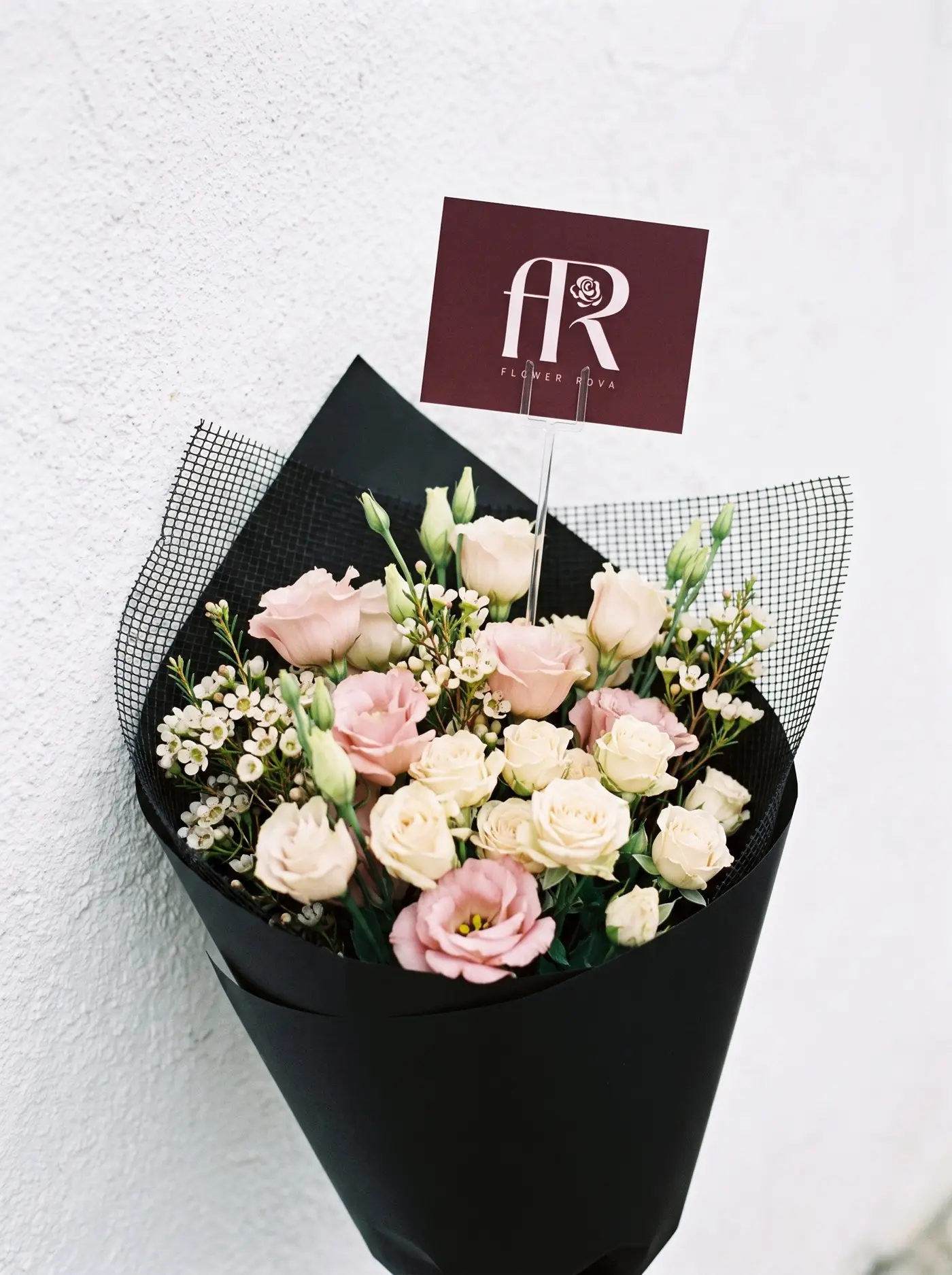
You can check a rose's visible condition, but you cannot reliably date it by squeezing the head or looking at a trimmed stem. Treat these checks as a way to spot concerns and ask better questions, not as a ten-second test of the harvest date.
1. Look at the bloom without squeezing it
Check for obvious damage, collapsed areas or petals that look unsuitable for the intended occasion. Ask whether the degree of opening is normal for that variety. A tightly closed rose is not automatically the better purchase: the RHS notes that roses cut in tight bud may not fully develop. RHS cut-flower guidance.
Handle only with the seller's permission. Pressing or repeatedly touching the petals is unnecessary for a buying decision and can leave the flower less presentable for the next person.
2. Ask about outer petals
Outer petals may have been removed during preparation. Their presence or absence does not establish deception or an exact age. If you see something concerning, ask the florist to explain it and show the flower before wrapping hides the area.
3. Inspect stems and water
Look for damaged stems, unpleasant-smelling water or obvious debris. A newly trimmed end tells you it was trimmed; it does not prove the flower was harvested that morning. Consider the whole bunch and how it has been presented.
4. Look at foliage and overall condition
Notice wilting, yellowing or damage that affects the bouquet's appearance. Avoid turning a single sign into a diagnosis. Ask whether the florist would replace a visibly poor stem before completing the arrangement, and check that the final product matches your brief.
5. Ask what the seller actually knows
“When did these arrive?” and “Do you have a harvest date?” are different questions. Ask both if timing matters to you. A seller may be able to confirm an origin or arrival date without having a farm record. A candid limit is preferable to a guessed date.
When assessing a delivered bouquet
Compare the order confirmation with what arrived: count, colour, arrangement and any agreed exclusions. Photograph a concern promptly, keeping the original image and order details. Tell the florist what you observed rather than asserting that a flower is a particular number of days old.
Follow the supplied care instructions and review the seller's terms if something is wrong. FlowerRova's freshness terms apply to our orders; this guide does not waive their conditions.
FlowerRova sources through private farms in Thailand and uses imports according to availability and the design. For the questions behind that description, see the sourcing guide. For care after arrival, see rose care.