

Flowers in the Bedroom: Scent, Sleep, Air and the Old Myth
Are flowers in the bedroom bad for you? What a vase does to night air, plus pollen, pets, vase water and which blooms suit a Bangkok bedroom.
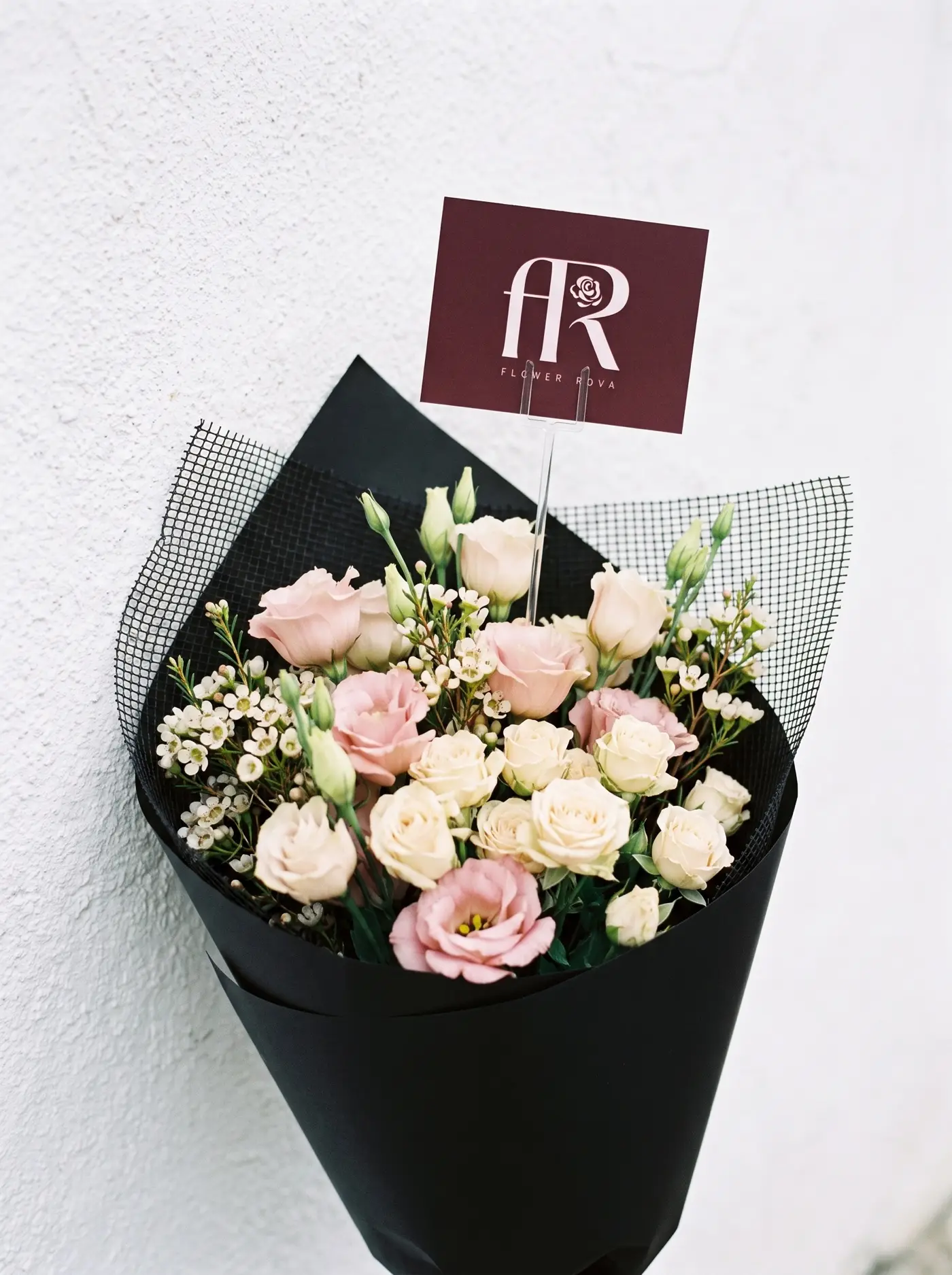
Flowers in the bedroom have an odd reputation. You may have been told that a vase on the bedside table uses up the oxygen, that plants are unhealthy to sleep beside, or that someone's grandmother carried the bouquet out before bedtime. This article checks that claim against the evidence we could find, then covers the real issues: scent, pollen, pets, vase water and humidity, which flowers suit a Bangkok bedroom, and how to give a bedroom bouquet well.
The short version is that the oxygen argument does not survive measurement. The practical reasons to think twice are smaller, more ordinary and fixable.
Flowers in the bedroom: where the myth came from
The myth has a true seed. Plants photosynthesise only in light but respire all the time, using oxygen and releasing carbon dioxide, so at night a plant is a very small net consumer of oxygen. That is textbook biology, and it is where the idea starts. We could find no measurement behind the leap from "plants respire" to "a vase harms the person sleeping beside it".
The hospital connection
A second source is the hospital ward. Hampshire Hospitals states that flowers are not permitted, to prevent infection. North Cheshire and Mersey explains that flowers and their water can encourage bacteria and mould, a risk for immunocompromised or post-surgery patients, and that they also take up bedside space, complicate cleaning, present electrical safety risks and can trigger allergies.
Those are rules for wards of unwell people, set hospital by hospital; a healthy couple's bedroom is a different setting. For a patient, start with our note on sending flowers to a hospital in Bangkok, because the ward decides.
The pollen connection
A third source is hay fever. The NHS hay fever page lists "do not keep fresh flowers in the house" among its self-care tips, alongside damp dusting, regular vacuuming and keeping windows shut. That is sensible for someone whose symptoms flare, and it has been stretched into advice for everyone. Which flowers shed least, and which to skip, is covered in allergy friendly flowers.
Bedroom flowers and feng shui
Feng shui is a tradition of arranging a home, not a field with measurements we can cite, and teachers differ on bedroom flowers. We cannot test it and will not rule on it: if you follow a teacher you trust, ask them. The one point most versions share with the hygiene advice below is practical whatever you believe: wilted flowers and stale water leave the room promptly. If your reasons are health ones, the sections below apply whatever the tradition says.
Oxygen, carbon dioxide and what a vase of flowers does at night
Start with scale. The sleeping adult is by far the largest source of carbon dioxide in a bedroom. A vase of cut stems is a few handfuls of plant tissue with no roots, and rose leaves are mostly stripped below the waterline anyway.
A Latin-square experiment in office buildings compared a control room, a room with five plants and a room with 18 Boston ferns. It found a significant positive link between plant number and relative humidity, but minimal effects on carbon dioxide and air temperature. The authors note that the building's ventilation may have shaped that result, and the direction still holds: if 18 potted ferns do not materially change carbon dioxide in an office, a dozen cut stems will not in a bedroom. That is the honest answer to "flowers in bedroom oxygen": nothing you could detect.
The argument cuts both ways
Do not read that as "flowers clean the air". The famous 1989 NASA study of interior plants was a controlled-chamber experiment, and the American Lung Association explains that its results do not translate to real homes, quoting a 1992 EPA memo that matching the chamber's removal rate would take 680 plants in a typical house. We make no air-quality claim for any bouquet we sell.
What actually affects bedroom air
The US Environmental Protection Agency says indoor sources are the primary cause of indoor air problems and that inadequate ventilation raises pollutant levels, with headaches, dizziness and fatigue among the immediate effects. In a sealed Bangkok condo bedroom with the air-con on all night, ventilation is the thing to examine if you wake up stuffy, not the vase.
A study of 17 Thai houses sampled in 2019 found mean indoor PM2.5 in Bangkok of 19.85 micrograms per cubic metre in haze against 11.40 outside haze periods. Indoor air tracked outdoor air. On a hazy day the bedroom problem is particles from outside; a filter addresses that, and a bouquet neither helps nor hinders.
The short answer: for most people, bedroom flowers are fine
For a healthy adult with no allergy to the flowers, no pet that can reach them and no strong sensitivity to scent, we found no evidence that it is harmful. Plants in the bedroom at night, whether a potted orchid or a vase of roses, do not change the air in any way a person would notice.
Scent and sleep: strong, light and none
No source in our research says flowers help or hurt sleep, and we will not claim either. (What the mood studies did find is in do flowers make you happier.) What people react to is scent, so that is what to manage.
One small study is worth knowing, limits included. In a 2014 study of 31 male Tokyo office workers, viewing 30 unscented pink roses for four minutes produced significantly higher high-frequency heart rate variability than no flowers, and more "comfortable", "relaxed" and "natural" feelings. An office, four minutes, no sleep; but the roses were unscented, so looking alone produced the effect measured.
Scented flowers in the bedroom: three tiers
In a small closed room, scent concentrates. Sort flowers by how far theirs carries.
- Strong. Jasmine is renowned for its fragrance, according to the RHS, and peonies are often spicily scented. Both are lovely in a hallway and a lot at pillow height. Lilies are heavy too, and carry a separate problem covered below.
- Light. Many roses, depending on variety, carry a soft scent you notice when you lean in. Tulips and hydrangea are generally quiet, and phalaenopsis orchids are typically light or unscented.
- None. Preserved roses and most dried arrangements, except anything built around lavender, which is the point of lavender.
If you are choosing for yourself, keep the bedside table in the light or none tier and put strong scent in the living room. In a Bangkok studio condo there is no other room: the bed, the desk and the kitchenette share one air-conditioned box, so treat the whole unit as the bedroom and stay in the light tier.
When scent is the problem
Fragrance sensitivity is common enough to take seriously, though the numbers come from fragranced products, not flowers. The University of Texas Medical Branch reports a survey in which close to 30% of people found scented products on others irritating and 19% reported adverse effects from air fresheners, with headaches, sinus pressure and a runny nose usually chemical irritation rather than true allergy. Neither that survey nor the self-reported Australian survey of 1,098 adults tested cut flowers. The narrow reading: if your partner reacts to perfume or air fresheners, start with unscented or lightly scented flowers.
A scented candle stacks scent on scent, and carries a rule unrelated to flowers: never leave a lit candle in a bedroom while you sleep. Our candle gifts suit an evening in another room.
Allergies, pollen and the air-conditioned bedroom
The NHS dates the worst hay fever symptoms to late March to September, which is British timing; Bangkok's seasons differ, but the tip is general: with active hay fever, fresh flowers are one more thing to take out of the house while symptoms settle.
Which flowers are actually the problem
The University of Worcester's pollen research unit lists the main allergenic UK pollen types, and they are trees, grasses and weeds; typical bouquet flowers are not on it. An allergist work-group report adds that insect-pollinated plants generally produce less pollen than wind-pollinated ones. It concerns garden planting, so apply it to bouquets by analogy only: roses and orchids sit on the lower-pollen side, grasses on the other, so if grass pollen is your trigger, ask a doctor before a dried pampas or wheat arrangement goes on the dresser.
Contact reactions are a handling issue
Skin reactions are different. A case report on florists describes persistent allergic contact dermatitis from handling alstroemeria, and a review of the daisy family covers contact allergy to the family that includes sunflowers, gerberas and chrysanthemums. Sleeping a few metres from a vase is a different exposure from handling fifty stems a day. If whoever arranges the bouquet has had rashes from cut flowers, tell us when you order.
The air-conditioned bedroom
An air-conditioned room is closed and recirculating, so it does not clear pollen from a bouquet. Three consequences follow:
- Petals and pollen stay in the room, so remove spent blooms promptly and wipe the surface under the vase with a damp cloth.
- A cold stream from the outlet dries petals, and Purdue's floral-design guidance says to avoid drafts. Keep the vase out of the direct airflow.
- Distance helps. Put the bouquet across the room on a dresser or desk, not the pillow side.
If allergies are a serious part of your life, ask a doctor before putting fresh flowers where you sleep.
Pets in the bedroom: the lily rule again
If a cat can reach your bedroom, lilies do not belong in it. The ASPCA says true lilies (Asiatic, Easter, Stargazer and Oriental) and daylilies can cause severe kidney injury in cats, including from drinking vase water or grooming pollen off their fur. The Pet Poison Helpline says every part is toxic to cats, and the US Food and Drug Administration adds that a small amount can cause fatal kidney failure in under three days, while dogs only get minor stomach upset.
Cats choose bedrooms: they sleep on the bed, jump on the bedside table and knock over the vase, and the water is as dangerous as the flower. Our guide to cat-safe flowers for homes with cats goes through the safer stems.
The ASPCA lists the rose as non-toxic to dogs, cats and horses, and the tulip as toxic to all three, with the highest concentration in the bulb, so cut tulips are a cautious no in a pet household. Non-toxic does not mean harmless to chew. If a pet has eaten anything from a bouquet, call your vet and describe it. Keep the vase out of reach, shut the door when you are out, and tell us about pets when you order.
Hygiene: vase water, humidity and mould in Bangkok
This is where the myth is closest to something real. In a bedroom the concern is the water, not the petals: a Cornell study of vase water found its bacteria growing more varied over a week, which measures the vase rather than anyone's health, and the study and the routine that deals with it are in how to clean a flower vase.
A vase routine that works
- Water. Purdue advises topping up daily and changing the water every two to three days with floral food, re-cutting one to two inches off the stems each time.
- Leaves. The Royal Horticultural Society says to strip leaves below the waterline so they do not rot.
- Additives. NC State Extension says commercial floral preservative works better than home remedies, and that excess bleach can kill plant cells.
- The vase. Wash it before the next bouquet.
When petals have browned and the water smells, bin it. Our guide to keeping roses fresh in the Bangkok heat has the detail, and if yours failed fast, read why flowers die in three days.
| Day | What to do | Why |
|---|---|---|
| Day 0 | Strip leaves below the waterline, re-cut stems, clean water with floral food | Leaves in water rot first |
| Day 2 to 3 | Change the water, re-cut one to two inches | Bacteria build up over a week |
| Day 5 to 7 | Check petals and water smell; bin when browned | Roses typically last five to seven days |
Humidity and mould
A vase is a small water source next to a bed, and in the office experiment above, more plants meant higher relative humidity. What causes mould in a Bangkok bedroom is far more often the room: damp air, cool walls behind wardrobes, and days when the air-con is off and the windows shut. If the room already smells musty or leaves clothes damp, fix that first and consider dried or preserved flowers meanwhile. Our piece on preserved and dried flowers in Bangkok humidity explains what to ask a seller.
Put the vase on a tray, away from chargers, lamps and power strips.
Which flowers suit a bedroom: roses, orchids and preserved
| Your situation | What to put in the bedroom | Why |
|---|---|---|
| Healthy, no pets, want fresh | A small rose bouquet, water changed every few days | Roses are non-toxic to pets and often lightly scented |
| Hay fever that flares | A potted phalaenopsis or a preserved piece; ask a doctor first | No cut stems in water; insect-pollinated |
| Cat in the home | Roses; never lilies; skip tulips | ASPCA lists rose as non-toxic, lilies and tulips as toxic |
| Sensitive to fragrance | Unscented or preserved flowers; no scented candle | Avoids stacking scents in a closed room |
| Damp or humid room | Preserved or dried, following the maker's care | No vase water to go off |
| A gift for a partner you live with | Fresh roses on the dresser | Easy to enjoy, easy to remove |
Roses
For most bedrooms roses are the easy choice. A hand-tied bunch of 10 white-pink roses is ฿2,399 delivered and fits a bedside table. For a bigger gesture, 20 red roses are ฿3,299, though that is more flower than a bedside table holds, so plan a dresser or a desk. Scent varies by variety and we make no promise about a particular rose, so tell us when you order that the flowers are for a bedroom.
Orchids
A phalaenopsis plant is one of the better bedroom flowers because it is a plant in a pot, not cut stems in water. The RHS calls moth orchids the most popular indoor orchids, wanting bright light but not direct summer sun and temperatures above 16C, with a day range of 19 to 30C and a night range of 16 to 19C. An air-conditioned Bangkok bedroom often sits near that range. Give it bright, indirect light and keep it out of the cold stream from the outlet, not in a dark corner.
Browse our potted orchid plants for a whole plant, or the cut orchids for an arrangement.
Preserved and dried
If the room runs damp or you do not want to change water, our preserved rose boxes and domes need no watering and the dried arrangements suit a shelf. Light and humidity affect both, so follow the care instructions and keep them away from direct sun and the bathroom door. Dried pieces collect dust, which matters with a dust allergy. See everything on the flowers page.
Romance and the bedroom bouquet: doing it well
A bedroom bouquet is an intimate gift, so the first question is who it is for. It suits a partner you live with, or someone who has invited you in. It does not suit a first move on someone whose number you have just been given: their bedroom is not an address you are entitled to send to, and nothing here suggests finding one. For a crush, one small gesture the person can accept or decline beats a bouquet aimed at their sleeping space.
Worked example: the anniversary in Sathorn
Say you and your partner share a serviced apartment off Sathorn and your anniversary is Friday. You order 20 red roses for ฿3,299. Bouquets up to 40 roses ordered by 9 pm can arrive the same day, though the evening before is calmer. It goes to the front desk, because it is your own address. You put the vase on the dresser, out of the air-con stream.
The card reads: "Cleared the dresser for these. Home by seven." See delivery details for timing.
Worked example: hay fever in Ari
Your partner's hay fever flares in the cool season and they have asked you to keep fresh flowers out of the flat. Instead of cut stems you send a white phalaenopsis with a pop-up card for the living-room windowsill, away from the bed; the page lists the current price. It has no vase water to change and no cut stems to shed, and your partner can check with a doctor first.
The card reads: "No vase, no sneezing. Keep it near the window, not the air-con."
Colour, placement and the card
Pale colours sit more calmly in a bedroom than a block of red: white-pink roses against white bedding, or orange against dark wood. Our bouquets arrive hand-tied in a matte black wrap with black mesh, so hand it over as it is, then cut the stems and get them into water before you sleep.
Card lines that suit a bedroom bouquet are short and specific:
- "Dresser, left side. I moved the chargers."
- "Water changed Sunday. Your turn Wednesday."
- "The unscented ones, as requested."
- "For the first morning in the new flat."
When not to send flowers to a bedroom
- You only have a phone number, or do not know whether the person is comfortable with you sending something to their home. Ask first, and see our romantic gifts for options that do not depend on a bedroom.
- The person has hay fever, a diagnosed allergy or a fragrance sensitivity and you are guessing what is safe. Ask them, or choose a plant or a preserved arrangement.
- They are in hospital. Ask the ward.
- There is a cat and you were about to order lilies.
If the answer is no, or silence, stop. One gesture and then wait is what we recommend, and a bigger bouquet is the wrong response to a quiet reply.
Build a bouquet around these rules on the build page or ask us on LINE or WhatsApp, and tell us it is for a bedroom, whether anyone has allergies and whether there is a pet.
Frequently asked questions
Is it bad to sleep with flowers in the room?
For most healthy adults we found no evidence that it is harmful, and the oxygen argument does not hold up. The real exceptions are hay fever, a fragrance sensitivity, a cat that can reach lilies or tulips, and vase water left to go off, and each has a fix in the sections above.
Do flowers in the bedroom use up oxygen?
At night plants respire, taking in a little oxygen and giving out carbon dioxide. But a vase of cut stems is small next to a sleeping adult, and a study with 18 Boston ferns in offices found minimal effects on carbon dioxide. Ventilation matters far more.
What are the best flowers for a bedroom?
Roses suit most rooms: lightly scented in many varieties and non-toxic to cats and dogs per the ASPCA. A potted phalaenopsis orchid works if you do not want vase water, and preserved flowers suit damp rooms. Avoid strongly scented stems at pillow height, and lilies wherever a cat can reach.
Can I keep scented flowers in the bedroom?
Yes, if you both tolerate scent, but a closed air-conditioned room concentrates it. Keep jasmine and peony in the living room, with light or unscented flowers on the bedside table. In a studio condo, treat the whole unit as the bedroom.
Are plants in the bedroom at night safe if I have a cat?
Not all of them. True lilies are toxic to cats, including the vase water, and tulips are toxic too. The ASPCA lists roses as non-toxic, though chewing stems can still upset a stomach. Keep vases out of reach, close the door when you are out, and call your vet if a pet has chewed anything.
Do flowers in the bedroom attract ants or insects?
They can, and Bangkok ants are quick. Flower food contains sugar, so spilt vase water or a sticky ring under the vase draws them more than the flowers do. Stand the vase on a saucer, wipe drips the same day and change the water before it clouds. Shake the bouquet gently on the balcony before it comes in. Questions about a bouquet are welcome on our contact page.