

Wedding Florists in Bangkok Compared: Full-Service, Studio, Venue or DIY
Compare full-service, studio, venue and DIY wedding flowers through an itemised brief, practical logistics and clear questions about price and scope.
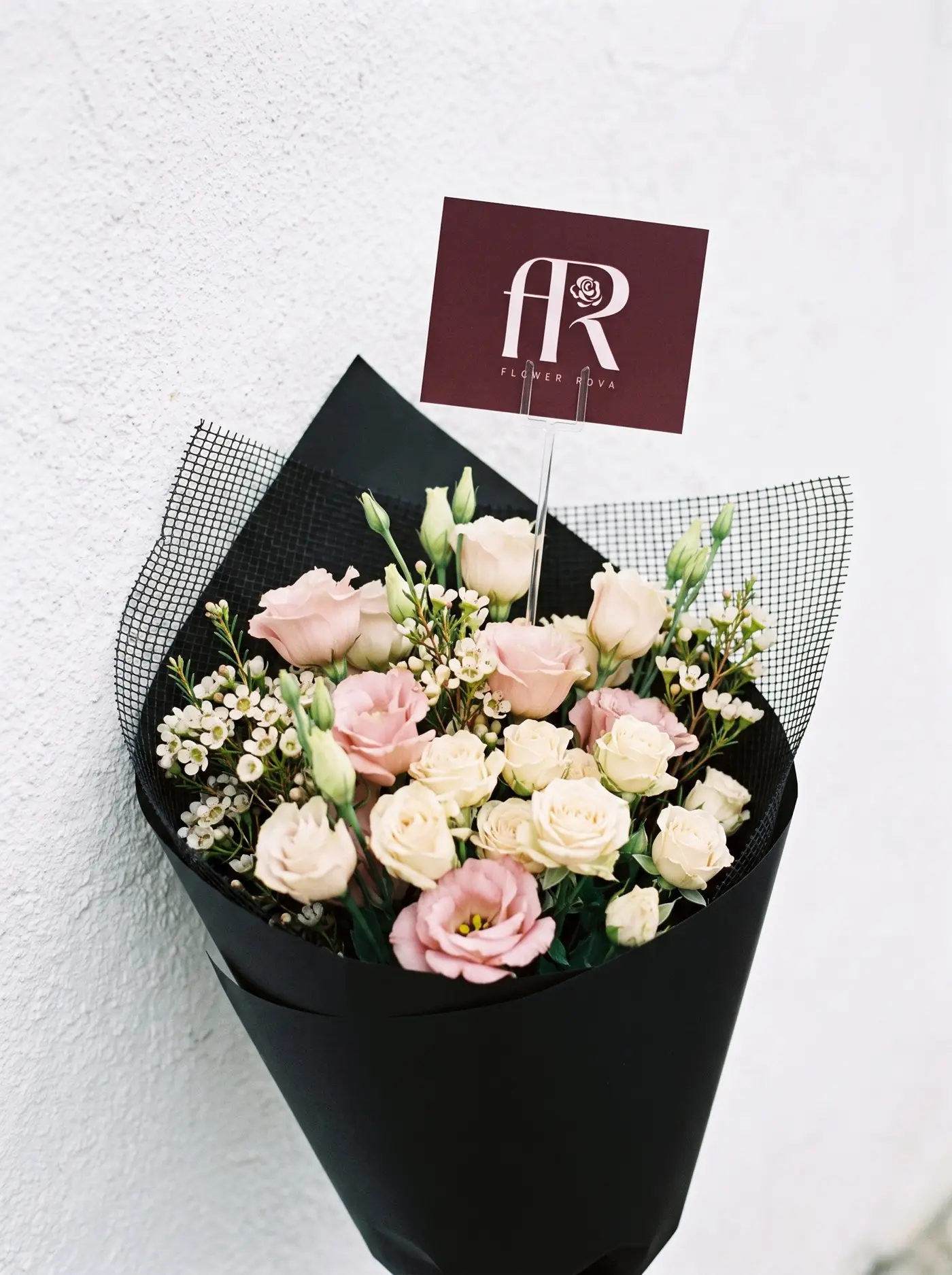
Wedding flower quotes can describe very different scopes even when the guest count is similar. Compare the flowers, vessels, transport, installation and collection before comparing totals. This guide explains four purchasing routes; it does not claim verified Bangkok market price ranges or rank named suppliers.
The four routes
1. The full-service wedding florist
A company whose entire business is events. Design consultation, mood boards, site visits, a crew, its own structures and vessels, setup and strike.
What to check: whether consultation, site visits, structures, setup and removal are included. Ask who leads the work and how the proposed crew will use the venue’s access and setup windows. A full-service label is not proof of prior work at your venue or unlimited installation capacity.
How to compare the cost: request separate lines for flowers, structures, hire, transport and labour. A floral arch may involve a support frame, preparation, delivery and removal, but the proportion of the bill attributable to each depends on the actual design. Do not assume a fixed cost hierarchy.
Consider for: an event with several locations, installations or a need for coordinated setup and removal. The relevant measure is the work required and the plan offered, not a universal guest-count threshold.
2. The florist studio
A small studio taking a limited number of weddings a year alongside retail work.
What to check: who interprets the brief, who makes the bouquets and who handles delivery. Review actual completed work and discuss the palette. A studio can offer direct communication, but its category does not establish better sourcing, a particular farm relationship or a limit on weddings accepted each season.
Capacity question: ask how the team would fulfil your specific list of bouquets, tables and installations. Identify any partners and responsibilities. A studio is not automatically unable to handle a large event, and saying yes does not establish capability. Ask for a concrete plan rather than accepting a size-based assumption.
Consider for: couples who want direct design discussion and a clearly defined scope. Guest count helps calculate quantities, but it is not a published capacity limit or qualification for every studio.
3. The venue's in-house or preferred florist
Many Bangkok hotels either have an in-house team or a preferred supplier, sometimes as part of a package.
What to check: whether the package covers your ceremony and reception, which arrangements are included and who coordinates setup. Familiarity with the venue may help, but access, timing and responsibility still need to be written into the brief rather than assumed.
Comparison question: can you obtain an itemised specification for the package and for any upgrades? Ask about outside-vendor rules and charges before comparing it with an independent quote. A bundle does not establish poor design or good value; both depend on what the package actually contains.
Ask two questions: what exactly does the package include, itemised — and is there a surcharge for bringing in an outside florist?
Best for: hotel weddings where the package is competitive and design is not your priority.
4. DIY, or DIY with help
Buying stems yourself and arranging them, possibly with a florist doing only the bridal bouquet.
What you control: the flower selection and arranging work. Compare the cost of the actual quantities you can buy, including surplus stems, tools, containers and transport. Bulk purchasing is not automatically cheaper for a small event if much of the material cannot be used.
What it actually costs: your time and a cool room. You will buy in bunches, condition everything yourself — recut, strip, deep water — and you need buckets, sharp knives, and hours. In Bangkok's heat, conditioning is not optional and the window is short. Doing this the day before your own wedding is a decision people regret.
A hybrid to consider: ask a florist to quote for the bouquets while a willing helper handles simple table flowers. Price the two scopes separately and name who stores, moves and clears each item. It can be a practical arrangement, but it is not a proven cheapest route for every wedding.
Best for: small weddings, confident and organised couples, and anyone with willing family.
What it actually costs
Use an itemised request instead of an unsupported market-rate table. Send the same quantities and design brief to each supplier so differences in the totals can be explained. A photograph alone rarely specifies all the work you expect on the day.
| Item | Details to include in a quote request |
|---|---|
| Bridal bouquet | Palette, shape, size and essential flowers |
| Attendant bouquets | Number and whether they match or complement |
| Boutonnières or corsages | Quantity, fastening and recipient needs |
| Arch or backdrop | Dimensions, support, location and removal |
| Aisle flowers | Number, positions and possible reuse |
| Table arrangements | Table count, vessel and sightlines |
| Couple’s table | Usable surface and desired scale |
| Entrance or signing table | Placement, setup and collection responsibility |
Build a total from the agreed scope:
- Personal flowers: list each bouquet and wearable item.
- Ceremony flowers: separate arrangements from hired structures and installation.
- Reception flowers: use the actual table layout and placement count.
- Service: add any quoted transport, setup, removal or hire charges before comparing totals.
Do not set the flower budget from an unverified percentage of wedding spend. As one catalogue reference, FlowerRova’s 100-rose bouquet costs ฿6,649 and its 50-rose bouquet costs ฿3,419. Each is one hand-tied bouquet, not a wedding package, installation or promise that a custom bridal design has the same price.
Where the money actually goes
The total can include more than flowers. Separating the work is useful because two visually similar schemes may involve different access, preparation, hire and removal requirements. Ask the supplier to explain the differences rather than assuming the largest cost is always labour or always stems.
A table scheme may need vessels, transport, placement and later collection. An arch may need a support and a specific installation method. Ask for the proposed responsibilities and charges for your event; an illustrative description of the work is not evidence of a fixed crew size, labour time or market price.
This is why quotes vary so wildly: one florist is quoting flowers plus a crew for a day, another is quoting flowers.
Always ask what is included: delivery, setup, on-site time, strike, and vessel hire versus purchase. Vessels in particular — buying two hundred vases and hiring them are completely different numbers.
Cutting the budget without it showing
Reduce table count, not centrepiece quality. Ten good centrepieces beat twenty poor ones. Alternate flowered tables with candle-only tables — it reads as a deliberate design choice, not an economy, because it is one plenty of designers make anyway.
Foliage and floral focal points: ask for an alternative design with fewer floral areas and compare its quote with the original. The visual result is a matter of preference, and savings depend on materials and labour. Do not assume a percentage reduction or that a foliage-heavy structure will always be cheaper.
Move ceremony flowers to the reception. Arch arrangements repurpose onto the top table or entrance. Agree it in advance — it has to be designed for.
Ask about available alternatives. Discuss which flowers can achieve the palette on your date, and request a revised quote if the selection changes. FlowerRova sources from private Thai farms and imports; neither origin is automatically the better value or quality for every wedding.
Skip the aisle. Guests look at the couple, not the floor.
Do not cut: the bridal bouquet, or the reception entrance. Both are disproportionately photographed and seen up close.
Questions to ask any wedding florist
- Have you worked this venue, and can you substantiate that? Share current access rules even if the supplier has been there before.
- What is itemised and included? Check delivery, setup, removal, vessels and any proposed charges.
- What happens if an essential flower is unavailable? Agree how alternatives are discussed.
- Who is responsible for our event? Ask about the proposed team and any partner work.
- Can we see actual completed work with permission? Distinguish it from styled shoots or generated inspiration.
- Who is the contact on the day? Record contact details on both sides.
The seasonal question nobody asks
Bangkok has a wedding season and a flower season, and they are not the same.
For a cooler-weather plan: ask what is available for the actual date and whether the venue setup is indoors or outdoors. Avoid treating a season as a guarantee of flower quality, a lower quote or an available supplier. Decide using the proposed composition and current response to your enquiry.
For a hot-weather plan: discuss shade, storage and when the flowers will be taken out of water. Tell the supplier how long the ceremony and photographs are expected to take. A hot forecast calls for practical preparation, not a claim that all flowers in those months are inferior.
For a wet-weather plan: identify a covered delivery entrance and an indoor alternative for exposed arrangements. Ask who decides if a placement needs to move. Imported flowers do not automatically solve weather exposure, and an origin label is not a substitute for a practical venue plan.
If your date is flexible, compare venue arrangements and supplier proposals for the dates you are considering. Flowers are one part of that decision. Do not choose a wedding date solely on an unsupported claim that a particular month offers the best flowers or lowest prices.
A comparison
| Question | Full-service | Studio | Venue package | DIY hybrid |
|---|---|---|---|---|
| Who sets up? | Confirm proposed crew | Confirm scope and team | Confirm package responsibility | Name helpers and hired work |
| What design is included? | Review proposal | Review proposal | Request package specification | Plan a manageable scheme |
| What capacity is available? | Ask for your event | Ask for your event | Check venue requirements | Check people and preparation space |
| What is the full cost? | Itemised quote | Itemised quote | Package plus upgrades | Materials, tools and any hired work |
| Who clears the space? | Confirm removal | Confirm removal | Check venue rules | Allocate a responsible person |
Where we sit
FlowerRova’s wedding enquiry page is the place to discuss the venue, date, flowers and requested scope. Confirm the proposal with the team before treating any example as an included service. This article does not assert a yearly wedding count, staffing capacity or past client case that has not been substantiated.
For installations, explain the full job. A large bouquet and a built backdrop are different products. Include dimensions, access, fixing restrictions and removal requirements, and ask which work can be quoted. Do not infer an installation service or an on-site crew from a photograph of a large rose bouquet.
For bouquets, specify the shape and count. FlowerRova’s large rose options are one hand-tied bouquet, including 100, 200 and 300 roses; they are not automatically split into several arrangements. If a custom wedding design is wanted, discuss that separately rather than treating guest count as a product specification.
We will also say plainly when a DIY hybrid is the better use of your budget. If you have willing family and a cool room, paying us for the bouquets and doing your own tables is frequently the smartest money in this article.
Bring your venue, guest count and a realistic budget to the weddings page and we will tell you what is achievable inside it before anyone designs anything.
Frequently asked questions
How much do wedding flowers cost in Bangkok? Obtain an itemised quote for your actual scheme. A retail bouquet price is a reference for that product only; it cannot establish a Bangkok wedding budget. Compare the same flower quantities, presentation and services, and ask for the complete total before paying.
What is the cheapest way to do wedding flowers in Bangkok? Pay a florist for the bridal and bridesmaids' bouquets, buy stems in bulk for tables, and arrange them with help. Reduce table count rather than centrepiece quality.
When should I book a wedding florist in Bangkok? Enquire once you know the date, venue and likely scope, then agree a planning schedule with the supplier. FlowerRova delivers bouquets on the customer’s requested day, including same-day orders by 9 pm for all rose quantities. That does not establish an installation timetable or a guaranteed clock-time arrival.
Are hotel package flowers good value? Sometimes genuinely yes. Get the package itemised and ask whether there is a surcharge for an outside florist before comparing.
What is the best month for wedding flowers in Thailand? There is no single guaranteed best month for every flower or wedding. Discuss availability for your date, the venue’s weather plan and suitable alternatives. A specific current proposal is more useful than a blanket seasonal ranking.
More detail on the numbers in what wedding flowers actually cost in Bangkok.
Thai and Western ceremonies need different flowers
If the event includes several ceremonies, explain each one in the brief. They may involve different locations, people and floral items. This is a scope question, not evidence that any particular tradition automatically doubles a wedding budget.
Some couples plan both a Thai ceremony and a Western-style reception. Others choose a different format entirely. Ask the couple and organisers which rituals and arrangements they want, and list each location and item instead of assuming that the phrase “wedding flowers” covers everything.
For a Thai ceremony: ask the family or ceremony organiser which garlands, trays or other floral items are needed, and who supplies them. Do not impose a universal palette or ritual sequence. A reference image can clarify an item, but the couple’s actual requirements should determine the brief.
The evening reception follows whatever palette you have chosen — often soft, often imported-leaning.
Practically, this means either budgeting for two floral schemes or deliberately choosing one and keeping the other minimal. What does not work is asking a florist for "wedding flowers" and discovering three weeks out that the morning ceremony was never quoted.
Ask any prospective florist about relevant ceremony experience and request examples that can be shared with permission. The ability to discuss the required items is more useful than a general claim about local expertise. Confirm who will make and deliver them.
The timeline that actually works
Initial planning: choose which purchasing route you want to explore and send the date, venue and preliminary scope. The following is a suggested sequence to adapt with your supplier, not a mandatory booking deadline or a FlowerRova lead-time policy.
Venue review: share dimensions, access rules and a floor plan, and discuss whether a walkthrough is useful. Confirm any visit charge rather than assuming it is included. Review how proposed structures and arrangements would fit the actual space.
Design agreement: record the palette, essential flowers, quantities and how alternatives will be discussed. Keep the reference images with the written brief so a change can be evaluated against the same expectations.
Quantity review: update table and recipient counts when the event plan becomes clearer. Ask how a change affects the quote and preparation. No numerical deadline here should be read as an automatic right to amend an order.
Logistics review: confirm access, contact numbers, setup responsibilities and any collection arrangements. Coordinate with the venue and supplier rather than assuming that a preferred time is an accepted appointment.
Order check: review the agreed flowers, delivery day and any discussed alternatives with the team. Share significant changes to the venue or ceremony plan as soon as they are known.
Delivery and handover: follow the day agreed for the order. FlowerRova offers requested-day delivery, including same-day for orders placed by 9 pm across all rose quantities. Share preferred timing, but do not infer a guaranteed clock-time slot or mandatory overnight setup.
A venue review and a written specification can help uncover practical issues. Ask whether either involves a charge, and keep the agreed version of the brief. These are useful checks, not claims about which mistakes couples make most often.
What to do about heat
Plan the flowers around the conditions at the venue, including heat, direct sun and moving air. Discuss the actual indoor and outdoor placements rather than relying on an unsupported comparison with other cities or a fixed prediction of vase life.
Ask about preparation and storage. Explain when the bouquet will be carried and photographed, then follow the care and handover plan agreed with the florist. A specific preparation date is not evidence of quality by itself, and this guide does not claim every bouquet is made that morning.
Keep bouquets in water when practical. Ask how the hand-tied bouquet should be held before photographs and where a clean vase can be placed. Do not assume a precise safe duration out of water; the flowers and conditions matter.
Review exposed placements. Direct sun, heat and rain can affect flowers and wrapping. Ask about shade and an alternative position, and agree who can move the arrangement if conditions change. Avoid treating replacement as automatically included in an event quote.
Check air-conditioning flow. Place flowers away from strong direct vents where practical, while keeping guest movement and venue safety requirements clear. Discuss the placement during the venue review instead of assigning a precise damage rate to airflow.
Ask about the plan for a 34° day, and for an afternoon storm. A florist with real answers has done this before.
FlowerRova order details and support
FlowerRova delivery is on the customer’s requested day, including same-day orders placed by 9 pm Bangkok time across all rose quantities. No exact clock-time slot is guaranteed. Standard delivery within the service area is ฿120, free for an order total of at least ฿1,500.
Flowers are perishable, so FlowerRova does not offer refunds or exchanges for a change of mind. This does not affect statutory rights or help with wrong, damaged or undelivered orders. Contact the team with the order details and photographs where relevant. The separate seven-day freshness promise remains: if a stem wilts within seven days of delivery, the bouquet is replaced. Do not treat that promise as a fourteen-day subscription guarantee, an event cancellation right or an automatic refund for changing a design preference.
Review the delivery terms, returns and support guidance and seven-day freshness promise alongside the details confirmed for your order. For recurring or event work, describe any additional service you want and ask for it to be identified in the quote. A retail bouquet purchase does not itself include setup, maintenance visits, venue hire, removal or a particular tax document.