

Buying Roses Online in Bangkok: Where the Stems Actually Come From
Compare online rose orders by count, presentation, sourcing information and delivery. Current FlowerRova prices and practical questions before paying.
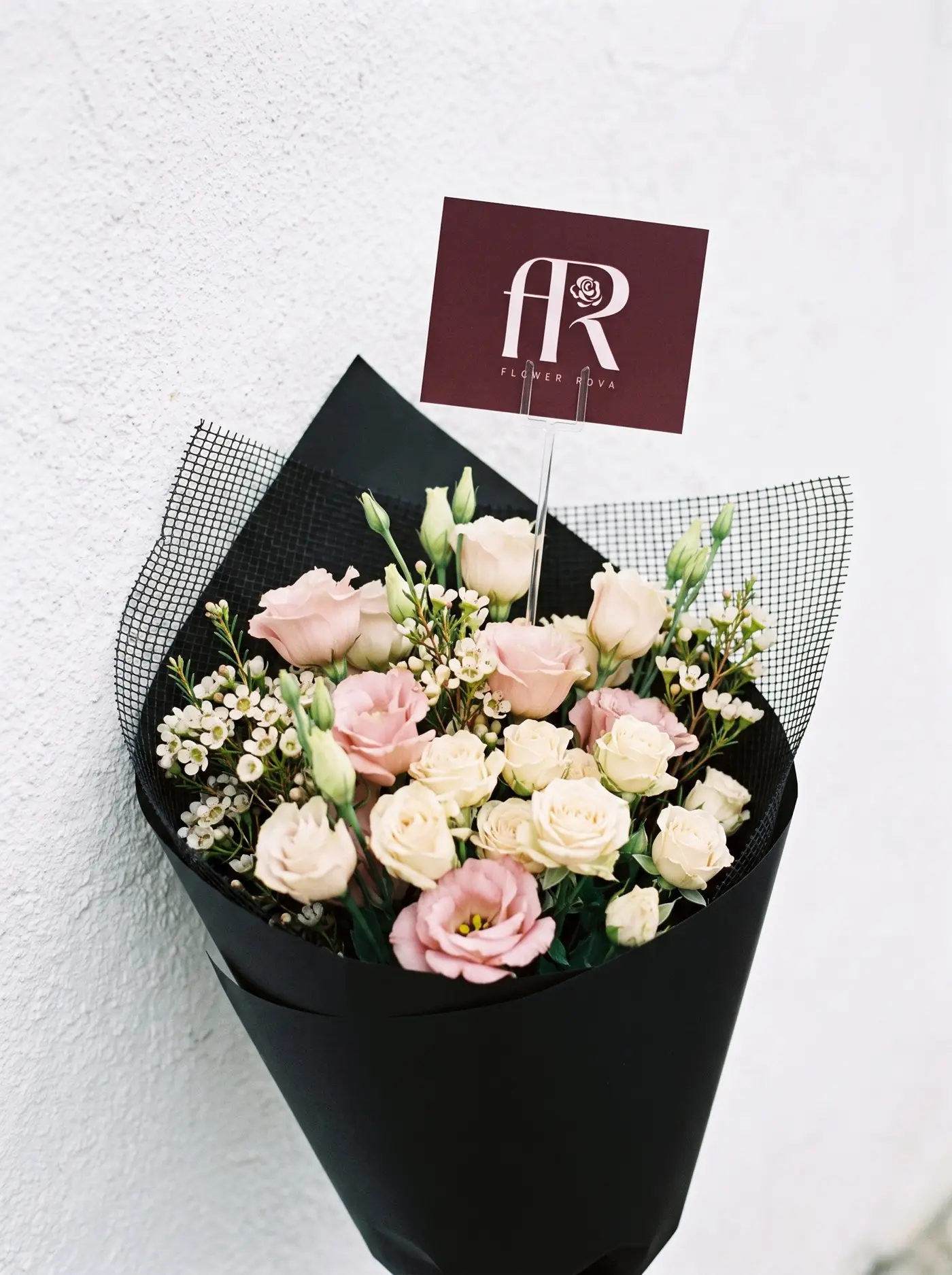
A wrapped photograph cannot tell you everything about a rose order. Count, colour, dimensions and the delivery arrangement are the details that turn a style you like into a gift you can assess.
Here is how the buying routes differ and what to ask. This is guidance from the FlowerRova editorial team, not a survey of competitors or a report based on test purchases.
Where Bangkok's roses actually come from
Origin can be useful information, but it is not a freshness certificate. FlowerRova sources from private farms in Thailand and uses imported flowers according to the order and availability. A country name alone does not tell you when a particular rose was harvested, how it travelled, or how it was stored.
Thai highland farms
Thai-grown roses are one option to discuss with a florist. Ask what the seller can establish about the actual flowers offered for your order. A named region describes an origin; a named farm is more specific; a recorded harvest date answers a different question again. Do not treat those statements as interchangeable.
For example, “Thai roses available in pink” may answer your colour and origin brief without establishing the farm or cut date. If traceability is essential, ask which information the seller can provide before you pay. Avoid building your decision around an exact overnight journey unless that journey has been confirmed for the flowers concerned.
Imported
Imported roses can broaden the choice of varieties, colours and presentation. If your reference photograph depends on a particular rose, ask whether that variety is offered and whether a substitution would change the look.
We do not assign fixed transit times, flower sizes or remaining vase life to an entire country of origin. Freight, storage and handling vary. An imported label does not prove that a rose is older or better, just as a local label does not prove that it was cut yesterday. Ask about the flowers available for the requested day.
Which is better
Not a simple answer. Compare the attributes that matter to the recipient: colour, bloom shape, fragrance preferences, dimensions and the intended setting. Then compare the final price for that specification.
For scale and drama, a large rose head may matter more than a long stem hidden inside a wrap. For a table, the finished height may matter more than either. If environmental impact is part of your brief, ask what sourcing and transport information exists; this article does not establish a carbon comparison between suppliers.
The four ways to buy roses online here
1. The large e-commerce florist
A large catalogue, a checkout and published delivery information can make browsing straightforward. Check which options apply to the product and address you actually choose.
Potential strengths: comparing designs in one place, reading written terms and seeing available payment options before starting a conversation.
What to check: whether the selected colour and size are confirmed, who fulfils the order, and what the product photograph represents. A broad catalogue does not prove either poor freshness or year-round stock. Read availability and substitution information for the individual product.
2. The routing marketplace
A marketplace may pass the order to a partner shop near the recipient. Establish whether you are choosing a named florist or a network product.
Potential strengths: browsing different sellers and delivery destinations through one interface.
What to check: whether special instructions reach the maker, who approves changes and which business handles a complaint. A stock photograph needs an explanation, but it is not evidence that the eventual bouquet will disappoint. Compare the written specification rather than assuming every listing follows the same rules.
3. The neighbourhood shop, ordering by LINE
A direct conversation can be useful when the destination or card message needs explanation.
Potential strengths: discussing an available design, clarifying the delivery point and asking questions before ordering.
What to check: the finished price, bouquet count, payment confirmation and agreed handover. We have not surveyed local shops to establish a price band or a ranking for consistency. A small business may document its flowers carefully; a large one may do the same.
4. The direct-sourcing studio
Some studios describe relationships with growers or other suppliers. Ask what that means for the particular bouquet.
Potential strengths: discussing the composition and the sourcing information the studio actually has.
What to check: whether a farm allocation, harvest date or special variety is confirmed rather than inferred from general brand copy. Direct sourcing does not automatically establish better flowers, lower prices or wider delivery coverage. Assess the order on its stated details.
The four things that decide a rose
Stem count. A price without a count is difficult to compare. “A bouquet of roses” might describe very different quantities. Confirm whether foliage and filler are counted separately, and whether the pictured arrangement shows your selected size.
Stem grade. Ask what the seller means by “premium” or “long-stem”. Stem length, bloom size and finished bouquet dimensions are different measurements. Longer does not automatically mean fresher, and this guide does not use a length threshold as proof of vase life.
Cut date. The invisible one. If a seller provides a harvest date, ask whether it refers to these flowers or to a general delivery schedule. If it is unknown, recognise that limit rather than deriving a date from a photograph.
Variety. Different varieties can give different shapes and opening patterns. Tell the florist if a named variety matters. Otherwise, specifying a colour family and overall shape may leave useful room to choose from the flowers available.
What roses cost in Bangkok
These are FlowerRova's current finished-bouquet prices, not surveyed Bangkok market ranges. The price tokens draw from the rose catalogue so a catalogue update can flow into this guide.
| Quantity | Finished-bouquet price |
|---|---|
| 1 rose | ฿589 |
| 3 roses | ฿960 |
| 10 roses | ฿1,359 |
| 20 roses | ฿1,929 |
| 40 roses | ฿3,079 |
| 50 roses | ฿3,419 |
| 70 roses | ฿4,709 |
| 100 roses | ฿6,649 |
| 200 roses | ฿11,399 |
| 300 roses | ฿14,249 |
Standard delivery costs ฿120 within the Bangkok BTS/MRT service area and is free when the order subtotal reaches ฿1,500. A single rose or three-rose order below that threshold therefore has a delivery charge in addition to its bouquet price. Confirm coverage and any extras before payment.
Note on per-stem maths. Large counts do not necessarily scale linearly. A finished bouquet includes design, wrapping and preparation. Dividing its total by the count can help you compare two otherwise identical specifications, but does not reveal wholesale cost or seller margin.
February is not a normal comparison unless the dates match. Ask for the price and availability on the requested date rather than assuming an earlier quote applies. We do not claim that prices double on a fixed date, that competitors use unwanted flowers, or that ordering during a particular week eliminates availability questions.
The three questions
- How many roses are included, and what are the finished dimensions?
- What can you confirm about the flowers' origin and availability?
- What presentation, delivery arrangement and total am I agreeing to?
Three specific answers make orders easier to compare. Keep them with the payment confirmation. If an answer matters enough to affect your purchase, ask for it in writing rather than relying on an adjective in a catalogue.
How to check what arrives
Check the order against the agreed count, colour and presentation. This works with any florist, including us. A quick visual check can identify a discrepancy, but it cannot reliably date a harvest or prove why a flower has deteriorated.
Look at the heads without squeezing them. Note crushed petals, broken blooms or other obvious damage. Flower varieties open differently, so a more open bloom is not by itself proof that the seller supplied old flowers.
Check the guard petals. Outer petals may show wear from handling. Their presence or removal alone does not prove good or bad practice. Photograph any condition you are concerned about and ask the florist to assess it.
Look at the cut ends and foliage. Note visible damage, discolouration or an unpleasant condition in the water. Avoid converting one visual sign into a precise age estimate. A photo of the whole bouquet and a close-up of the concern give the seller more context.
Keep the order reference, delivery time and photographs together. If something differs from the brief, explain what was agreed and what arrived. That is more useful than assuming whether the issue began at a farm, during storage or in transit.
What to do with them
Follow the care instructions supplied with your bouquet. Use a clean vase, remove leaves that would sit below the waterline, and use any flower food according to its directions. Ask the florist before mixing products or using household treatments.
Choose a place where the bouquet will not be knocked over or exposed to direct sun, heat or a strong air-conditioning draught. Check the water regularly and follow the guidance on replacing it and trimming stems. There is no single vase-life number that can be promised for every variety and room.
For more detail, read the rose care guide. Care advice is separate from an assessment of whether an order arrived correctly.
Where we sit
A rose range from one to three hundred stems in four colours — red, pink, white-and-pink and orange mix — with the count stated on each product. FlowerRova sources from private farms in Thailand and uses imports. Ask what is available for your order rather than assuming a named supplier or harvest date.
Choose your requested delivery day. Same-day delivery is available for all rose quantities, including 70, 100, 200 and 300, for orders confirmed by 9 pm Bangkok time. Share the complete address and any specific handover requirements so the team can confirm the arrangement. A requested clock time needs explicit agreement; a same-day service is not itself a promise of arrival at a particular minute.
Our prices are for finished bouquets. If your brief requires a particular size, packaging or extra, confirm the complete order before paying. We do not claim to be cheaper or better than every neighbourhood shop or platform.
Perishable flowers are not eligible for change-of-mind refunds or exchanges. Check the colour, count, recipient details and card text before confirmation. The freshness promise is separate: contact the team with your order details and photographs about a freshness concern. Read the refund and replacement terms for the applicable process; a freshness concern is not the same as simply preferring another design.
Browse the rose collection, or read imported vs Thai roses for questions to ask about sourcing.
Frequently asked questions
Where can I buy roses online in Bangkok? You can compare e-commerce florists, marketplaces, neighbourhood shops and studios. Check the particular seller's coverage, order specification and terms; the business model alone does not establish quality.
How much are 100 roses at FlowerRova? The current finished-bouquet price is ฿6,649, with free standard delivery within our service area because it exceeds ฿1,500. Same-day orders are accepted for confirmation by 9 pm, including this quantity.
Are imported roses better than Thai roses? Origin alone does not decide the answer. Ask about the offered flowers, the desired look and the information available for the order. Avoid treating either origin as a guaranteed quality tier.
How long should roses last? Variety, condition and care all matter. Follow the supplied instructions and contact the seller about problems. A short vase life does not prove an undisclosed harvest date or a single cause.
Does a holiday change the price? Use the quote for your chosen date. Do not rely on an undated promotion or assume a fixed market-wide increase.
What is the best colour to send? Start with the recipient's preferences and the occasion. Red can suit a romantic brief; pink, white-and-pink or orange can suit many other gifts. Cultural expectations vary, so ask the recipient or someone close to them if symbolism is important.
Why the seasons change the answer
Season is a useful question to ask, not a substitute for checking the flowers offered today. A catalogue photograph may remain online through different growing conditions and sourcing changes.
November to February: ask which colours and varieties are available for the requested date. Do not assume that a cool-season order is automatically better than an import, or that a local flower costs a fixed fraction of an imported one.
March to May: think about the destination as well as the flowers. An outdoor handover, a room without a suitable vase or a long wait at reception can complicate the gift. Tell the florist about these circumstances before choosing a large arrangement.
June to October: discuss any strict colour or variety requirement and how a proposed substitution would be approved. The useful question is what can be supplied for your order, not whether every local rose or every imported rose performs better in those months.
Keep an alternative in mind if the exact reference cannot be confirmed. That might be the same colour in a different variety, a smaller arrangement, or a different design. An alternative is a choice for you to approve, not permission for an undisclosed change.
Colour, and what it costs
A detail to check before paying: whether the seller prices colours differently. FlowerRova's published rose tiers use the same bouquet price for the four listed colour options at a given count. Availability still needs confirmation for your requested order.
Red may be the right choice when the recipient likes a classic romantic bouquet. Describe the intended mood rather than assuming every red variety looks identical.
Pink can cover a wide range, from pale blush to brighter tones. If a particular shade matters for a room, outfit or event, send a reference and say how much variation is acceptable.
White and pink combines two colour families. Confirm whether your priority is the overall soft palette or a particular balance between the two; do not infer exact proportions from a representative photograph.
Orange, coral and apricot can read differently under different lighting. Discuss the range you would accept, especially if the flowers need to match a planned setting.
Novelty colours should be described clearly. Ask whether the effect is natural, dyed or decorative and what care is advised. An unusual colour is a design choice, not proof of a particular freshness grade.
The hundred-rose question
Large orders behave differently in use, and it is worth thinking about the recipient before choosing one. A hundred roses is not necessarily ten bouquets of ten: the shape, wrapping and space needed depend on how the flowers are arranged.
Ask for the finished dimensions and discuss where the recipient will actually put the bouquet. A photograph can make a large arrangement appear easy to hold without showing its weight or the space needed around it. Confirm whether a vase, box or other support is included.
FlowerRova offers requested-day delivery and same-day delivery for all quantities through 300 roses, with orders confirmed by 9 pm Bangkok time. Share any difficult access, reception rules or specific arrival request during confirmation.
Two practical points remain useful: ask where the recipient will put it, and confirm somebody can accept it. A large bouquet left at a condominium reception may be inconvenient even when the address is correct. Provide a recipient contact and agree the handover point.
At two and three hundred stems, discuss whether you want one bouquet or several arrangements. Do not assume that a large purchase includes an on-site florist, installation or a particular number of delivery staff. Those are separate details to establish in the brief.
The right quantity is the one that works for the recipient, the room and the occasion. A clear specification and a confirmed total give you a more dependable basis for choosing than a promise about what an unnamed competitor would supply.