

Flower Subscriptions in Bangkok Compared: Boxes, Platforms and Studios
Compare flower boxes, platform orders and studio subscriptions by contents, delivery, care and renewal terms. A practical guide to requesting comparable quotes.
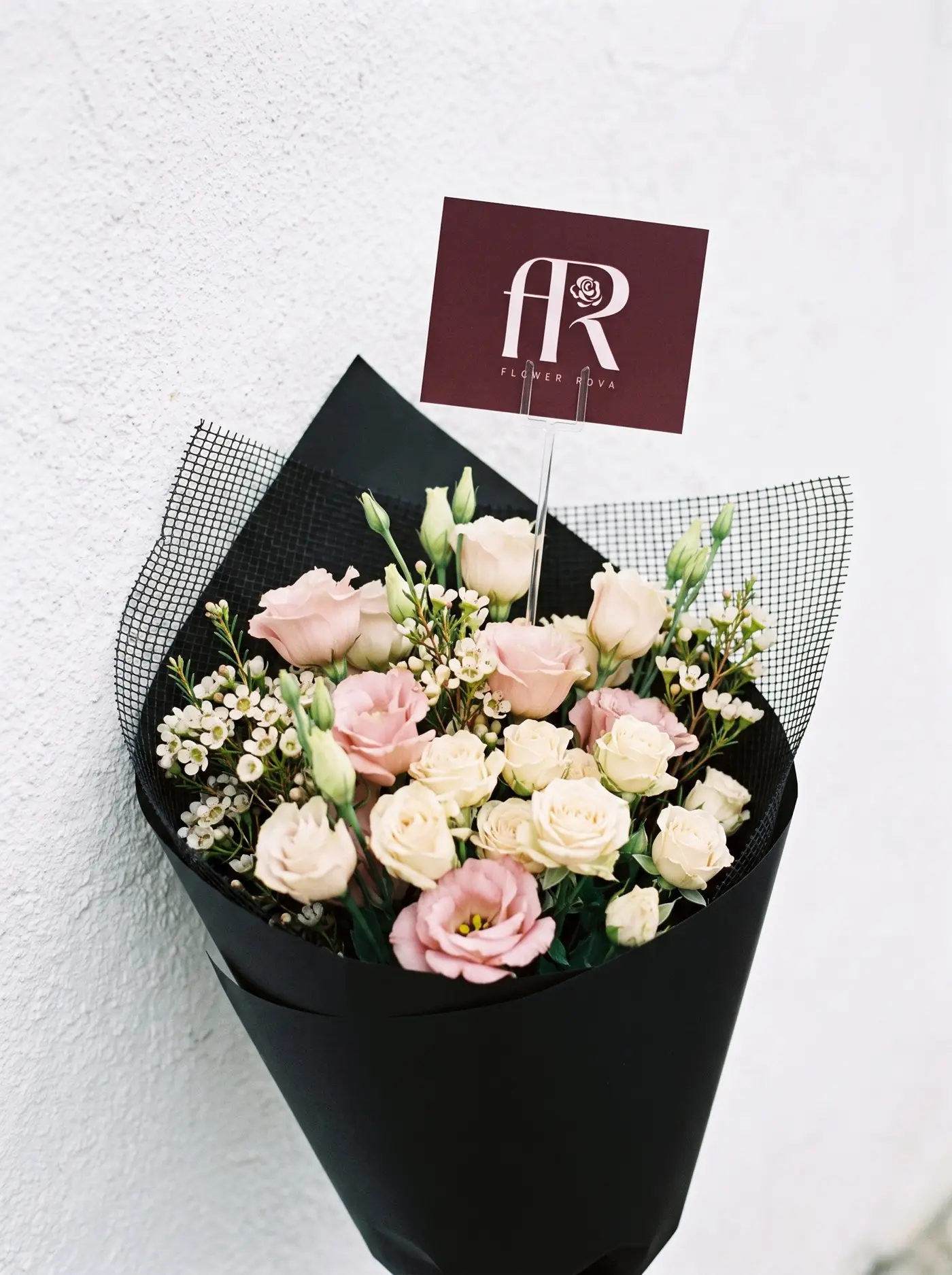
Flower subscriptions can describe several different arrangements in Bangkok. This guide compares three possible models and the questions each raises; it is not a market survey, a ranking of named sellers or evidence of growth in subscription sales.
They have different economics, different failure modes, and suit different households. Getting the model right matters more than getting the brand right.
The three models
1. The subscription box
A subscription box supplies flowers for the recipient to condition and arrange. Before ordering, check the actual contents, whether the stems arrive arranged, the packaging instructions and who handles delivery. A branded box alone does not establish a particular shipping method or a lower price.
Cost question: compare the delivered total and usable contents with other unarranged-stem offers. Packaging, transport, flower selection and the recipient’s time all matter. Central planning may affect a supplier’s costs, but this article does not have purchasing records showing how any saving is passed to customers.
Potential advantage: creative control if the recipient enjoys arranging. Check whether the listed flowers, stem counts and destination meet your needs. A box may suit somebody who already has a vase and tools; it is not automatically cheaper or more widely available than a finished bouquet.
Practical requirement: understand the care needed on arrival. Ask whether the stems need trimming, leaf removal or time in water before arranging, and plan who will receive them. Do not assume that boxed flowers are damaged or wasted if they are not opened immediately; follow the supplier’s specific instructions and report a problem with photographs.
Suits: someone home reliably, who wants to arrange, and cares more about stems per baht than presentation.
2. The platform subscription
An add-on to a delivery marketplace. A recurring order, often routed to a partner florist near you.
Cost question: compare the checkout total, renewal terms and delivery charge with the contents promised. The existence of a platform does not tell you the commission, florist payment or amount spent on flowers. Those figures require evidence and should not be inferred from the headline price.
Potential advantage: account-based ordering may be convenient. Check the actual payment methods, pause controls and cancellation process before signing up. Screenshots or a demonstration of the current service are more useful than assuming that every platform supports the same app features.
Continuity question: ask whether one seller fulfils every delivery and what may vary between orders. A partner model can offer continuity, while any supplier may change a seasonal composition. Specify what consistency means to you: a particular palette, size, presentation, flower mix or standard of support.
Suits: people who want frictionless recurring flowers and are relaxed about variation.
3. The studio subscription
A studio subscription can provide finished arrangements through a direct relationship with a florist. Ask whether the design is selected from a catalogue or composed for each delivery, and how flower availability affects it. Do not infer direct farm contracts or a weekly cutting schedule from the word studio.
Cost question: ask for the per-delivery price, frequency and complete total. A predictable schedule may help a studio plan, but it does not establish that subscribers receive more flowers, better stems or lower prices. Compare the stated contents and service with an equivalent one-off order.
Potential advantage: discussing the space and preferred style directly with the team. Ask to see relevant work and explain which elements should remain consistent. Claims that subscription bouquets are a florist’s best work are opinions unless backed by a defined comparison; your own brief is the more useful benchmark.
Practical question: confirm the delivery address, contact method and process for changing the schedule. A studio’s size does not establish its geographical coverage or account tools. Check what this particular service offers before choosing it for a home or office.
Suits: households in a studio's delivery zone who want flowers in the house without thinking about it.
What they cost
Request current quotes for the same flower quantity, presentation and number of deliveries. The table below identifies the information needed for a fair comparison; it does not assign unsupported Bangkok price bands to the three models.
| Model | Price information to request | Work to check |
|---|---|---|
| Subscription box | Per-box total, delivery and any renewal charge | Conditioning, arranging and vase provision |
| Platform subscription | Full checkout total and recurring payment terms | Fulfilling seller, presentation and support |
| Studio subscription | Per-delivery quote and agreed schedule | Design, vase, delivery and care responsibilities |
Two things worth noticing.
Calculate the number of actual deliveries. Weekly and fortnightly labels alone do not determine the monthly bill. Use the dates on the proposed schedule, multiply by the per-delivery price and add any disclosed fees. Check whether a larger arrangement or different flower selection changes that price.
A box is not comparable to a studio bouquet at the same price. One is raw material, one is finished work. Compare boxes to boxes.
Weekly or fortnightly?
Choose the interval around how you use the room, who receives deliveries and how much care you want to provide. Starting with a short trial can be helpful, but there is no single cadence that is right for most households.
Vase life depends on the flowers, their condition and care. A weekly cycle may leave an overlap; a fortnightly cycle may leave days without flowers. Ask what to expect from the proposed composition without treating a schedule as a guarantee that every stem will last until the next delivery.
A less frequent schedule involves fewer deliveries, but the saving depends on the quoted price for each one. Think about the practical work as well as the cost: receiving flowers, finding a suitable vase and changing the water should fit comfortably into the household routine.
Choose a trial interval you can manage. If you want flowers continuously, explain that to the supplier and discuss the design and refresh routine. If occasional flowers are enough, a less frequent delivery or a one-off order may suit you better.
One caveat: selecting a fortnightly plan does not establish a fourteen-day lifespan. Discuss the expected care and appearance of the actual flowers proposed. FlowerRova’s existing freshness promise covers seven days; it should not be extended in an article simply because the next scheduled delivery is later.
Why subscriptions actually get cancelled
The following are practical reasons to reconsider a schedule, not ranked cancellation statistics or reported customer cases. Review them before buying a recurring service, particularly when the recipient has not chosen it themselves.
1. Receiving deliveries. Check who will accept the flowers and how they will reach the room. If travel or working hours change frequently, discuss scheduling before purchasing. Reception access can help, but do not assume a building will store flowers or care for them until the recipient returns.
2. The care became a chore. A subscription means recutting stems and changing water every week, permanently, in a hot climate. Some people enjoy it. Some discover they do not, and the guilt of watching flowers die is worse than not having them.
3. It was a gift the recipient did not choose. Ask whether recurring flowers would be welcome and whether the person wants to manage the care. A one-off bouquet can be easier to receive than a continuing arrangement, even when the idea is thoughtful.
4. Vase capacity. You need somewhere for them to go, and if last week's are still good you need a second vessel.
5. Sameness or unwanted variation. Some people want a familiar palette; others enjoy a surprise. Neither preference is automatically solved by a studio or catalogue model. Discuss the desired degree of variation and ask how substitutions are handled.
Who should not subscribe
Worth saying plainly, because turning down recurring revenue is unusual and a cancelled subscription helps nobody.
- Frequent travellers. Pausing every other week defeats the point.
- Anyone who has never kept a bouquet past day four. Try three one-off orders first. Genuinely.
- People buying it for someone else without checking that person wants it.
- Households where nobody is reliably in. Unless it goes to an office.
Considering an office subscription
Offices. A workplace can be a useful destination when reception is staffed and somebody agrees to care for the flowers. Check the actual working days, access arrangements and placement rather than assuming every office has the same routine.
An office may offer a convenient reception point, but it still needs an access arrangement, a suitable placement and somebody responsible for care. We do not have verified cancellation-rate data comparing offices with homes. Evaluate the actual workplace rather than assuming the logistics are solved.
If you are considering a domestic subscription and are unsure, and you have an office, start there.
What to ask before signing up
- Can I pause, and how much notice is needed? Ask for the actual terms before purchase.
- Is there a minimum term or recurring payment commitment? Check the full amount and the cancellation process.
- What happens when a flower is unavailable? Agree how preferences and substitutions will be discussed.
- Who makes and delivers the flowers? Identify the responsible supplier and contact.
- Is a vessel included, hired or supplied by the recipient?
- How do I request a holiday delivery or change a date? Do not infer a closure from the time of year.
A comparison, honestly
If price per stem matters: compare actual quotes for equivalent flowers and delivery. A low headline price may describe different contents, but a box is not automatically the cheapest option. Decide whether every stem is useful to the design you want.
If convenience matters: test the ordering and schedule-change process. An app can be helpful, and so can a responsive direct conversation. The most convenient route is the one that works with your address, payment needs and preferred way of contacting the supplier.
If the composition matters: review the proposed design and examples of completed work, with permission. Distinguish generated inspiration from customer evidence. A business model does not establish superior flower quality, sourcing or vase life.
Most likely to still be running in a year: whichever one matches whether you are actually home.
Where we sit
FlowerRova’s subscription page is a place to discuss a recurring arrangement. Bring your preferred frequency, address, palette and budget; confirm the plan and its payment and change terms in chat before purchase. Our flowers come from private Thai farms and imports, without an asserted named-farm contract or dated harvest story.
For workplace flowers, discuss the placement and care responsibilities as well as the schedule. We do not present an invented office-client history or retention rate as evidence. A defined trial and a clear proposal are useful ways to assess whether a recurring arrangement fits the space.
We will tell you if we think a subscription is wrong for you. If you travel constantly, or you have never kept a bouquet alive past day four, we would rather sell you three one-off orders and let you find out cheaply.
Compare a subscription with a one-off order. As a retail reference, a FlowerRova 20-rose bouquet is ฿1,929 and a 100-rose bouquet is ฿6,649. These are catalogue bouquet prices, not subscription instalments or a promised discount. Use the actual subscription quote to calculate any saving.
Frequently asked questions
Are flower subscriptions worth it in Bangkok? They are excellent if someone is reliably home and you are willing to do weekly care. They fail predictably if either is untrue.
How much is a flower subscription in Bangkok? Ask for a current quote with the number of deliveries, flower mix, presentation and delivery charge. This guide does not have verified market ranges. FlowerRova’s standard delivery is ฿120 in its service area, free for an order total of at least ฿1,500.
Weekly or fortnightly? Start with the cadence that suits the recipient’s routine. Compare the actual number and cost of deliveries rather than assuming a fortnightly plan halves the bill, and ask what happens if travel interrupts the schedule.
Can I pause a subscription? Ask each supplier for its pause process, notice requirements and any charges. A pause request and a change-of-mind refund are different matters. Do not assume that a convenient account control changes the terms applying to flowers already ordered.
Do subscription flowers last as long? There is no automatic lifespan advantage from subscribing. Ask about the proposed flowers and care instructions. For FlowerRova, the seven-day freshness replacement promise continues to apply; it is separate from the exclusion of change-of-mind refunds and exchanges for perishable flowers.
What is the best flower subscription for an office? Weekly to reception, fortnightly elsewhere on the floor. See office flowers in Bangkok.
See the tiers on our subscriptions page, or read are flower subscriptions worth it for the longer version.
The economics, from the florist's side
Recurring orders may help a supplier plan purchasing and staffing. That is a possible operational benefit, not proof that a customer receives a better bouquet or a lower price. Ask what the proposed plan actually includes and compare it with an equivalent one-off purchase.
A supplier handling one-off orders needs to plan around changing demand. A recurring schedule can offer more visibility, but purchasing methods and waste levels vary. This article does not have accounts or farm records showing a particular cost reduction, so those possibilities should not be presented as established savings.
As a planning example, a florist with an agreed recurring schedule knows more about upcoming orders than one receiving only last-minute enquiries. That does not describe FlowerRova’s customer count. The useful questions are how the schedule affects the quoted price, flower choices and change process.
Ask whether the price differs. A supplier may price a planned order differently, or may charge the same amount for additional flexibility. Compare the contents and terms rather than assuming that every operational saving is passed to the subscriber.
Ask how flowers are selected. A recurring order is not evidence of preferred farm allocations or superior grades. Look for a clear composition, relevant examples and an honest explanation of availability. Specific sourcing claims should be supported before being used as a reason to pay more.
Discuss seasonal preferences. If a particular flower or colour is essential for an upcoming occasion, raise it before that order. A long subscription does not establish a reserved farm block, guaranteed future stock or protection against every price change. Ask what can actually be confirmed.
The subscriber’s benefit should be visible in the offer: a suitable routine, a useful design, a clear total or another stated inclusion. It should not depend on an unsupported claim about how almost every florist works. Keep the decision tied to what you can check.
Reading a subscription's substitution policy
Flower availability can change. Ask how the subscription handles a requested variety that cannot be supplied and who approves an alternative; a changing season does not itself tell you what will happen to an individual order.
Fixed-catalogue models: ask how closely the listed photograph represents the delivered flowers, which details are essential and what happens if a variety is unavailable. A pictured product does not prove that substitutions will be hidden or that flowers will be tired. The seller’s stated process matters.
Composed models: ask which elements may vary and whether the recipient can specify colours or flowers to avoid. More design flexibility can be useful, but it does not remove the need to explain the order. An open brief is not permission to ignore an essential requirement.
Compare both approaches against your preferences. A fixed design can be useful for a specific occasion; a changing composition can be enjoyable for everyday flowers. Neither is inherently more truthful or reliable. Ask the supplier to explain the limits of the promise in ordinary language before paying.
Ask any prospective supplier what they do in August. The specificity of the answer tells you which model you are buying.
Making it survive the household
Practical, and it is what separates subscriptions that run for years from ones that end in month three.
Put it on a fixed day and treat it as an appointment. Not "sometime Tuesday". The care ritual needs a slot.
Keep two vessels. One in use, one clean and dry. Overlap weeks stop being a problem.
Agree a suitable placement. Keep flowers away from direct air-conditioning flow, strong heat and sunlight, following the care advice for the arrangement. Avoid promises that one placement decision will double vase life. If flowers wilt early, photograph them and contact the supplier rather than guessing the cause.
Put the water change on a recurring reminder for the first month, until it becomes automatic.
Ask about schedule changes before you travel. Share the dates and obtain a reply explaining what can be changed. Keep that response with the order details so both sides have the same understanding; do not assume that a pause is automatic or always free.
These habits make the routine easier to evaluate. After several deliveries, consider whether the flowers suit the room, the care feels manageable and the ordering process is clear. Continuing, changing the cadence or returning to one-off gifts are all reasonable outcomes of that review.
FlowerRova order details and support
FlowerRova delivery is on the customer’s requested day, including same-day orders placed by 9 pm Bangkok time across all rose quantities. No exact clock-time slot is guaranteed. Standard delivery within the service area is ฿120, free for an order total of at least ฿1,500.
Flowers are perishable, so FlowerRova does not offer refunds or exchanges for a change of mind. This does not affect statutory rights or help with wrong, damaged or undelivered orders. Contact the team with the order details and photographs where relevant. The separate seven-day freshness promise remains: if a stem wilts within seven days of delivery, the bouquet is replaced. Do not treat that promise as a fourteen-day subscription guarantee, an event cancellation right or an automatic refund for changing a design preference.
Review the delivery terms, returns and support guidance and seven-day freshness promise alongside the details confirmed for your order. For recurring or event work, describe any additional service you want and ask for it to be identified in the quote. A retail bouquet purchase does not itself include setup, maintenance visits, venue hire, removal or a particular tax document.