

Anniversary Flowers: How Many Roses for Which Year
Choose an anniversary bouquet by years, favourite flowers, space and delivery plans, with a personal message that explains the choice.
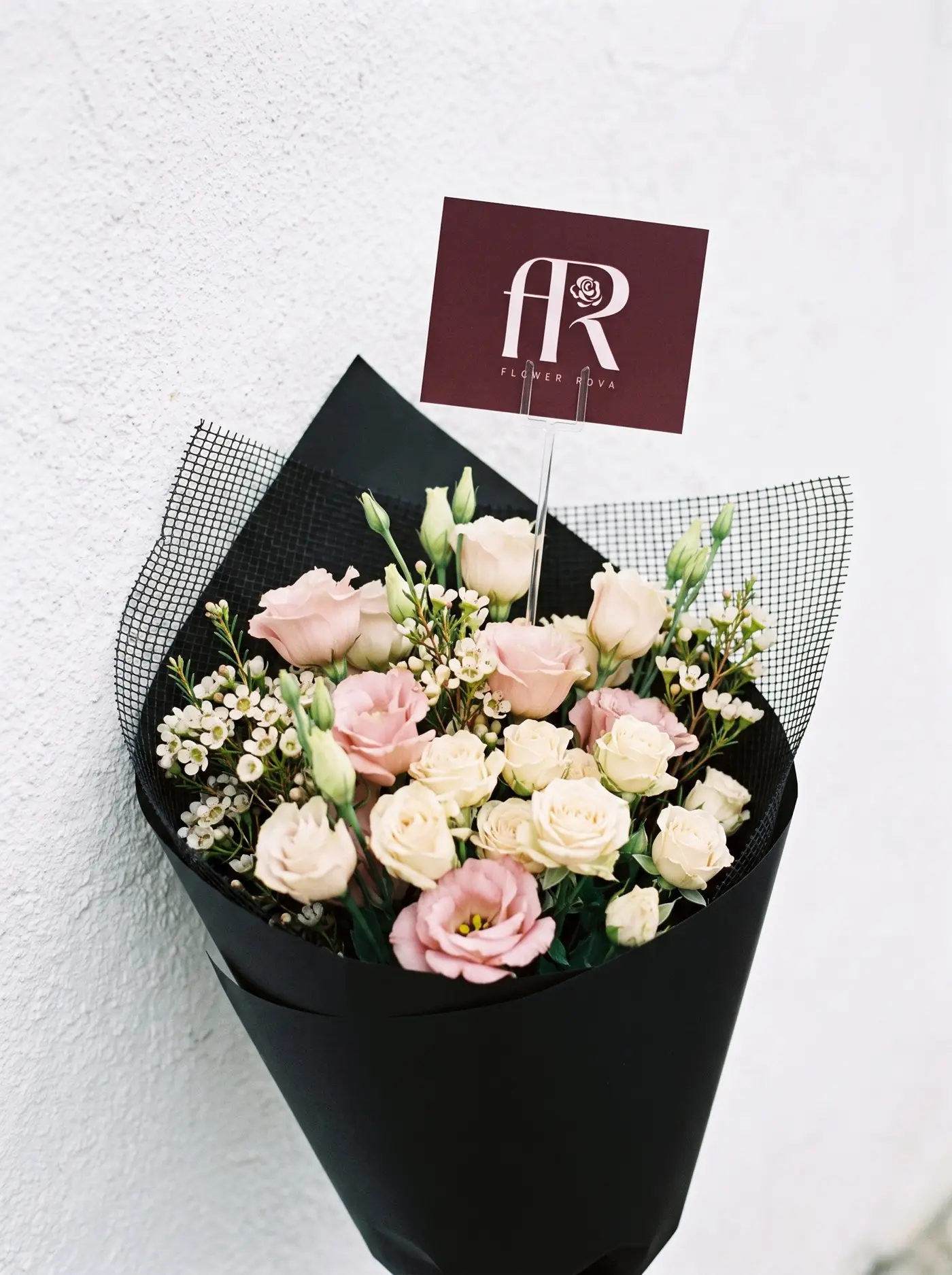
One rose for each year together can make an anniversary gift personal. It is an idea you can choose, not a rule the recipient is expected to recognise. The card is the simplest place to explain why the number matters.
Use the year count when it suits the gift
For a third anniversary, three roses can make a restrained gesture. Ten years can become ten roses; twenty can become twenty. If the exact count is outside the standard range, ask whether a custom order is possible rather than assuming it is included at a listed price.
As the number grows, think about where the bouquet will go. Ask for dimensions and consider whether the recipient has a vase, room to display it and a way to carry it home. A large count is not automatically a more thoughtful gift.
Use a memory instead of a calendar list
Rather than treating a flower-by-year list as a universal tradition, choose something linked to your relationship: the wedding palette, a favourite flower, a colour from a shared trip or a bouquet they remember enjoying. Explain the connection in a sentence.
If the original flower is unavailable, ask for the same mood or palette. A replacement can preserve the meaning without pretending to reproduce an exact historical arrangement. Do not promise a particular rare flower until availability has been confirmed.
Choose the colour for the person
Red may suit a romantic brief; pink, white-and-pink or warmer tones may suit the recipient's taste better. These are design choices, not instructions about what every marriage should look like. If you want to match wedding flowers, send a reference image and say which details matter.
Write a card with a specific memory
Start with one thing you want to acknowledge: an ordinary kindness, a shared achievement or something you are looking forward to. “Thank you for making our mornings better” can be more personal than a generic greeting. Check the spelling of names and the year before sending the final text.
Plan the delivery around the day
Ask whether the recipient would enjoy an office delivery or prefer privacy. Check that someone will be available to receive the flowers. A surprise should not create a reception or transport problem.
For FlowerRova, 20 roses currently cost ฿3,299; 50 roses cost ฿5,999. FlowerRova offers delivery on your requested day, including same-day. Confirm the flowers, quantity, address and handover details in chat. Exact clock-time slots are not promised. Confirm stock, address and holiday availability through contact, and review delivery details before making a plan around a specific time.